
 English
 Español
Product Consultation
Your email address will not be published. Required fields are marked *
Maintaining solar wall lights isn't complicated, but to ensure long-term stable operation, regular cleaning of the solar panels, checking the battery status, and ensuring the light fixture's waterproofing are necessary. Proper maintenance can significantly extend their lifespan and guarantee efficient lighting.
Content
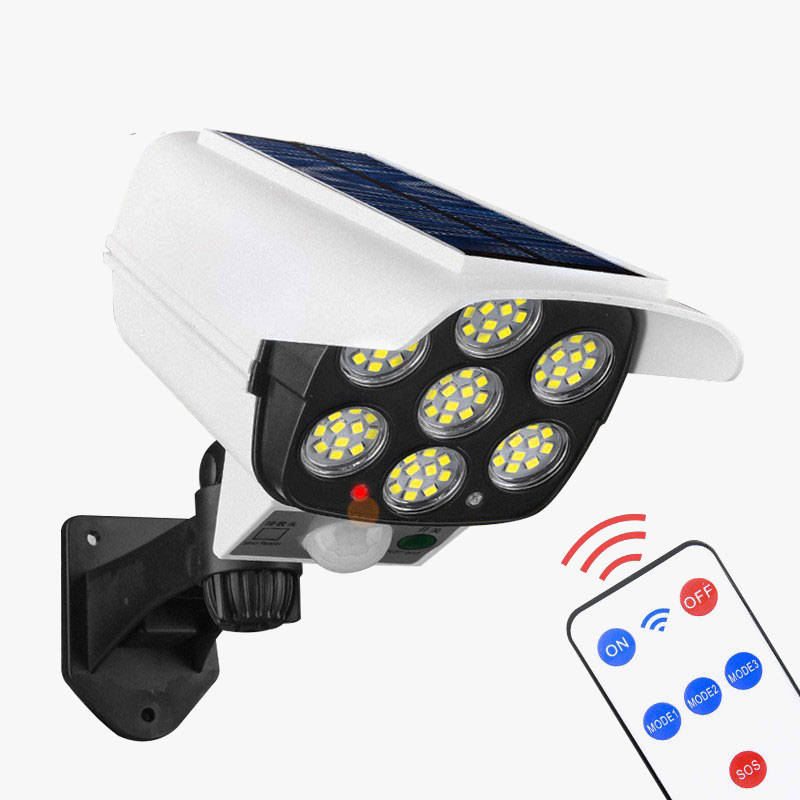
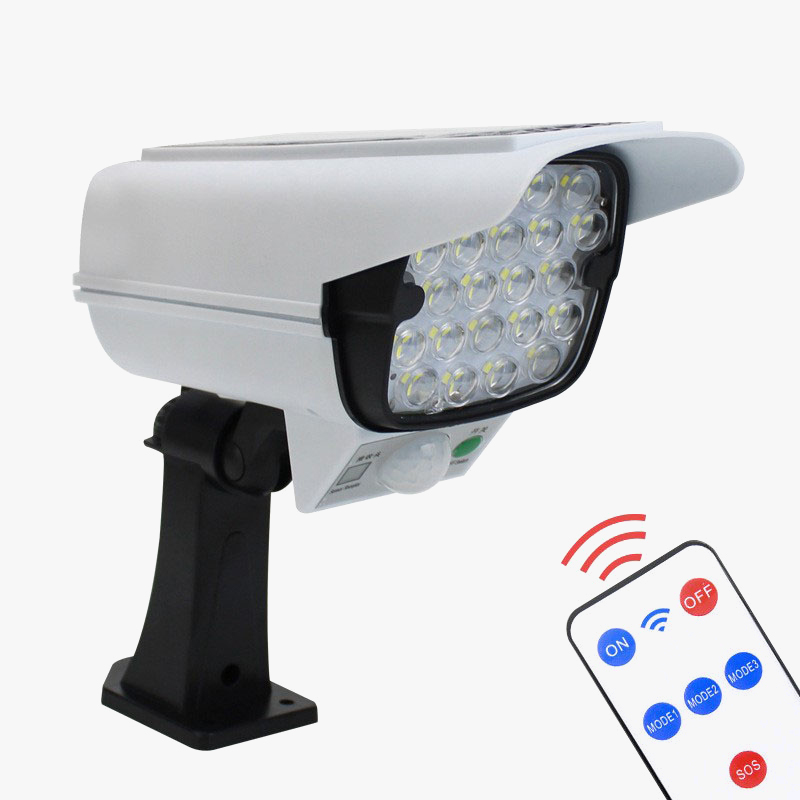
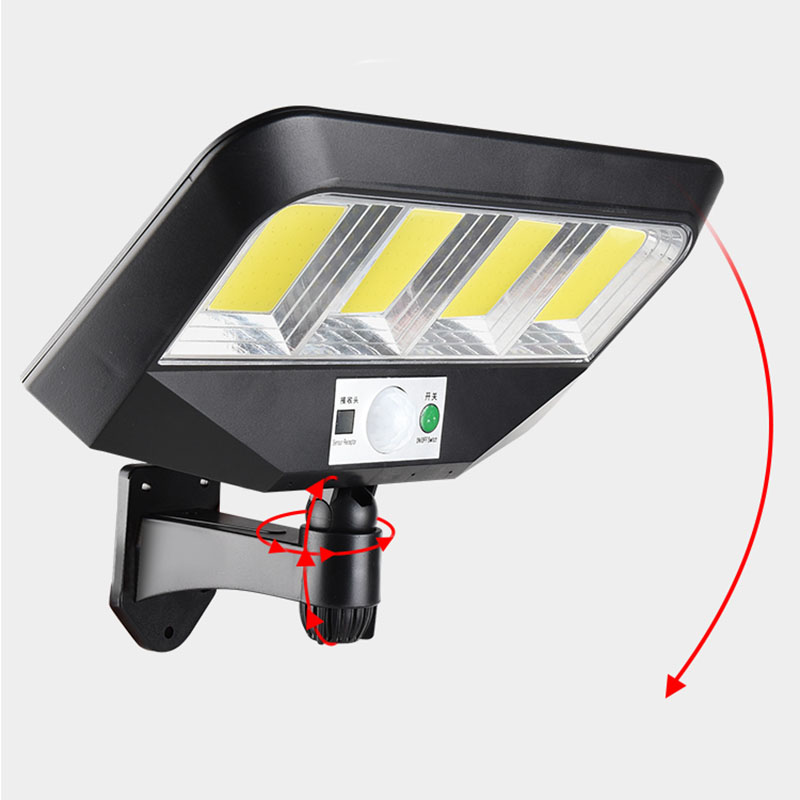
As outdoor lighting equipment, solar wall lights rely on sunlight for energy. Therefore, cleaning and maintaining the solar panels is one of the most important maintenance tasks. Over time, dust may accumulate on the solar panels, reducing their light absorption efficiency and affecting charging efficiency and the light's brightness.
The core component of a solar wall light is its solar panel, which directly affects charging efficiency. If dust, dirt, or debris such as leaves accumulates on the panel, light absorption efficiency will decrease, resulting in the battery not charging fully. Therefore, regularly cleaning the solar panel with a soft cloth or brush is essential. It is recommended to clean it at least once a month, especially in rainy seasons or areas with high winds and sandstorms, where more frequent checks are needed.
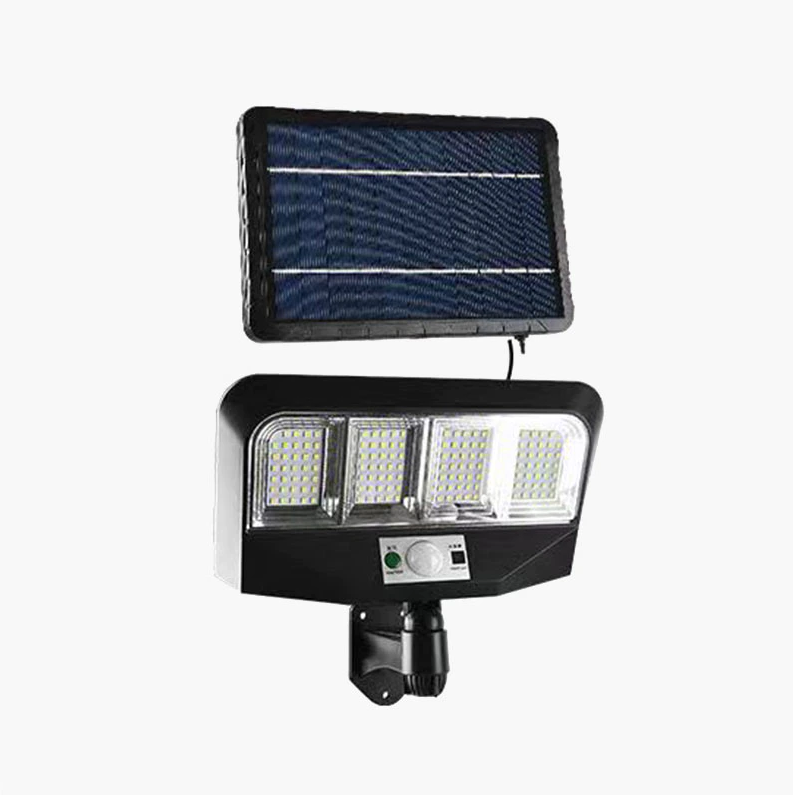
The batteries inside the solar wall light are responsible for storing the electrical energy harvested through the solar panels. As usage time increases, battery capacity may gradually decrease, and even aging may occur. Most solar wall lights have a battery life of 2-3 years; battery aging will result in less effective lighting compared to newer products. Replacing the battery promptly will help restore the light's brightness.
Many solar wall lights are designed to be waterproof to withstand harsh outdoor weather. However, prolonged exposure to rain, snow, or other humid environments may reduce the light's waterproofing performance. Regularly checking the waterproof seals for integrity and for cracks on the light's surface is crucial to maintaining its waterproofing.
Solar wall lights typically have waterproof seals to prevent moisture intrusion. Over time, these seals may become ineffective due to aging or damage. Inspect the seals annually, especially after severe weather, and replace any damaged seals promptly to ensure the light's waterproofing.
If the solar wall light's casing cracks or becomes loose, moisture can enter the light, potentially damaging the battery and circuitry. Regularly inspect the appearance of the light fixtures and repair any problems promptly.
Batteries and light sources are crucial components of solar wall lights. Regularly checking their operation can effectively improve the efficiency and lifespan of the lights.
Solar wall lights typically use rechargeable lithium batteries or nickel-metal hydride batteries. Over time, the battery's charging capacity gradually decreases, and the lighting effect weakens. When the light becomes noticeably dim or the duration shortens, it may be a sign of battery aging. Replacing the batteries promptly will restore the light's illumination.
LED chips are a common light source in solar wall lights and have a long lifespan. However, with prolonged use, their brightness may decrease or they may become completely damaged. Regularly check the operating status of the LED chips and replace them promptly if any problems are found to ensure the lights function properly.
In addition to regular inspection and cleaning, some additional measures can be taken to reduce wear and tear on solar wall lights and extend their lifespan.
While solar wall lights are designed for outdoor environments, prolonged exposure to extreme weather conditions (such as extreme heat or cold) may accelerate the aging of the lights. It is recommended to take appropriate protective measures under extreme weather conditions (such as prolonged periods of high or low temperatures), such as moving the solar wall lights to a sheltered, rain-protected location, or disassembling and storing them after the season.
Solar wall lights perform best in sunny locations, but prolonged exposure to extreme direct sunlight can cause the battery to overcharge, affecting their lifespan. Therefore, when choosing an installation location, it is best to avoid areas with excessively strong sunlight.
Maintaining solar wall lights is relatively simple. Just keep the solar panels clean, regularly check the batteries and waterproofing, and perform necessary maintenance to ensure they provide stable lighting for your outdoor space for a long time. Through these simple maintenance measures, you can not only extend the lifespan of your solar wall lights but also maximize their efficiency and enjoy a green and environmentally friendly lighting experience.
Your email address will not be published. Required fields are marked *

 Building E21, Wanyang Zhongchuang City, No. 555 Binhai Avenue, Binhai Economic Development Zone, Fenghua District, Ningbo City, Zhejiang Province
 0086-130-81920916
 [email protected]
Copyright ? Conbo Electronics Co., Ltd. All right reseved. Custom Led Lights Manufacturers Wholesale Outdoor Light Fixtures Factory