
 English
 Español
Product Consultation
Your email address will not be published. Required fields are marked *
For the majority of residential applications — particularly hallways, staircases, bathrooms, and children's bedrooms — Sensor Night Light are the superior choice. They consume 70-90% less electricity than plug-in regular night lights, eliminate the need for manual switching, and provide illumination precisely when needed. However, regular night lights remain preferable for continuous ambient lighting in nurseries, for individuals with severe nyctophobia (fear of darkness), or in spaces where instant, uninterrupted visibility is medically necessary. The optimal home lighting strategy often combines both types in different zones.
Content
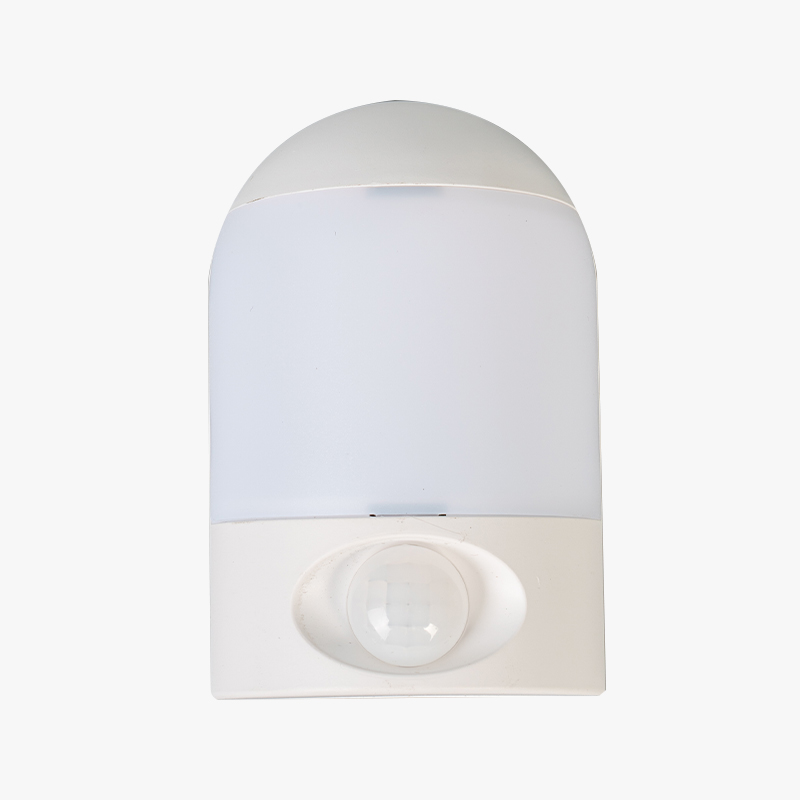
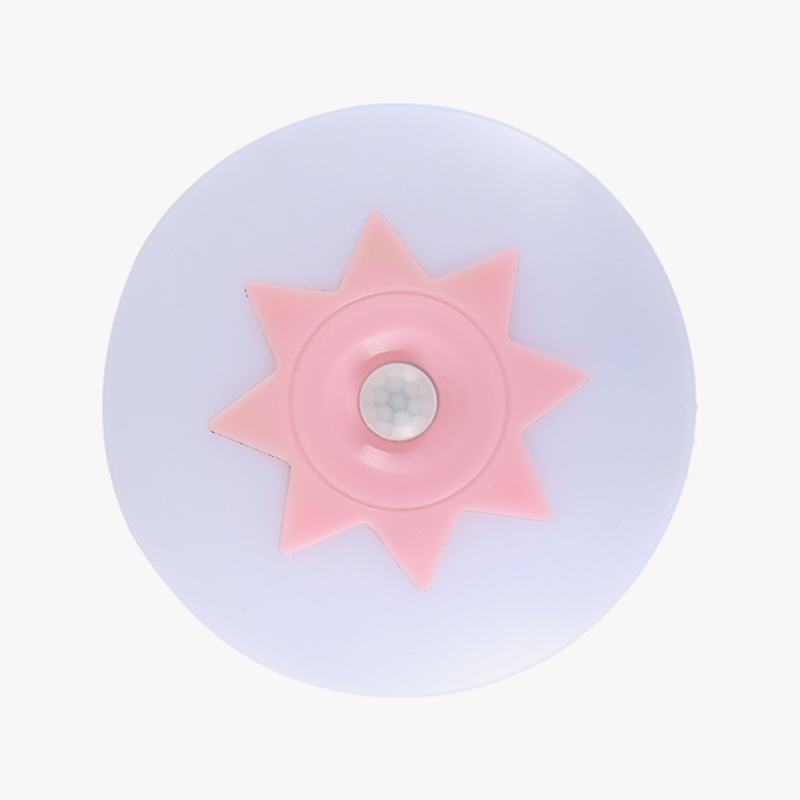
Sensor Night Light rely on passive infrared (PIR) sensing technology to detect changes in infrared radiation within their detection field. The human body emits infrared energy at a wavelength of approximately 9 to 10 micrometers; when a person enters the sensor's range (typically 3 to 5 meters), the PIR element registers the temperature differential between the moving body and the ambient background. This triggers an electronic circuit that activates the LED light source.
The combination of PIR sensing and photocell override creates a fully autonomous lighting system. A resident walking to the bathroom at 2 AM triggers instant illumination without fumbling for switches, and the light extinguishes automatically after they return to bed — all without disturbing a sleeping partner.
Energy efficiency represents the most quantifiable difference between the two night light categories. Because motion-sensor units only illuminate when triggered, their annual power consumption is dramatically lower than regular night lights that burn continuously from dusk to dawn.
| Metric | Motion-Sensor LED Night Light | Regular LED Night Light |
|---|---|---|
| Power Rating (Watts) | 0.5 - 1.5 W | 0.5 - 1.5 W |
| Daily Operating Hours | 0.5 - 2 hours (triggered) | 8 - 12 hours (continuous) |
| Annual Energy Consumption | 0.9 - 11 kWh | 14.6 - 65.7 kWh |
| Estimated Annual Cost | Negligible to minimal | Moderate |
| Standby Power Draw | 0.1 - 0.3 W (sensor active) | 0 W (no standby) |
The calculation assumes a typical household where motion-sensor lights trigger 10 to 15 times nightly for 30 to 60 seconds each activation. In high-traffic corridors, daily runtime may reach 2 hours; in rarely used guest bathrooms, it may fall below 30 minutes. Even in worst-case scenarios, motion-sensor units consume less than one-sixth the energy of their always-on counterparts. Over a 10-year lifespan, this efficiency eliminates the need for dozens of battery replacements in battery-operated models and significantly reduces grid draw for hardwired units.
The primary purpose of any night light is to prevent falls, collisions, and disorientation during nocturnal movement. Motion-sensor technology excels in this role by providing instant, hands-free illumination precisely when and where it is needed.
Falls represent the leading cause of injury among adults aged 65 and older, with a substantial proportion occurring during nighttime bathroom trips. The National Council on Aging reports that one in four Americans aged 65+ falls annually, and inadequate lighting is a contributing factor in up to 40% of home falls. Motion-sensor lights installed along the path from bedroom to bathroom reduce the need to navigate dark corridors or search for wall switches — actions that compromise balance and spatial awareness.
Regular night lights that remain illuminated throughout the night can disrupt melatonin production, the hormone that regulates sleep-wake cycles. Research indicates that even dim light sources (5 to 10 lux) in sleeping environments can suppress melatonin by 50% or more, leading to difficulty falling asleep, fragmented sleep patterns, and reduced sleep depth. Motion-sensor lights solve this problem by extinguishing automatically, maintaining a fully dark bedroom during sleep while still providing safe passage when needed. For individuals requiring some light to feel secure, placing the motion sensor outside the bedroom door rather than inside the room preserves darkness during sleep while illuminating the exit path.
Both motion-sensor and regular night lights have transitioned almost entirely to LED bead technology, which offers dramatic improvements over the incandescent bulbs used in older generations. LEDs operate at low temperatures, resist shock and vibration, and maintain consistent light output for 25,000 to 50,000 hours of operation.
The limiting factor in motion-sensor night light longevity is not the LED but the PIR sensor and control circuitry. These electronic components are typically rated for 100,000 to 500,000 activation cycles. At 15 activations per night, this translates to 18 to 91 years of reliable operation — far exceeding the practical lifespan of the plastic housing or battery contacts. Regular night lights, with no sensor electronics to fail, have fewer points of potential failure but subject their LEDs to continuous thermal stress that can accelerate solder joint fatigue.
Despite the advantages of motion-sensor technology, certain applications and user populations benefit more from the simplicity and constancy of regular night lights.
In these scenarios, the predictability and constancy of regular night lights outweigh the energy savings and automation benefits of motion-sensor alternatives. The modest power consumption of modern LED regular night lights — often below 1 watt — makes their operational cost acceptable even for continuous use.
Both categories offer multiple power and mounting configurations, but motion-sensor units have expanded the possibilities for placement in locations without electrical outlets.
| Power Type | Motion-Sensor Availability | Regular Availability | Best Application |
|---|---|---|---|
| Plug-in AC | Widely available | Widely available | Hallways, bathrooms with outlets |
| Battery (AA/AAA) | Very common | Less common | Closets, staircases, remote locations |
| Rechargeable Lithium | Increasingly popular | Rare | Cabinet interiors, temporary placement |
| Hardwired | Available | Available | New construction, permanent installation |
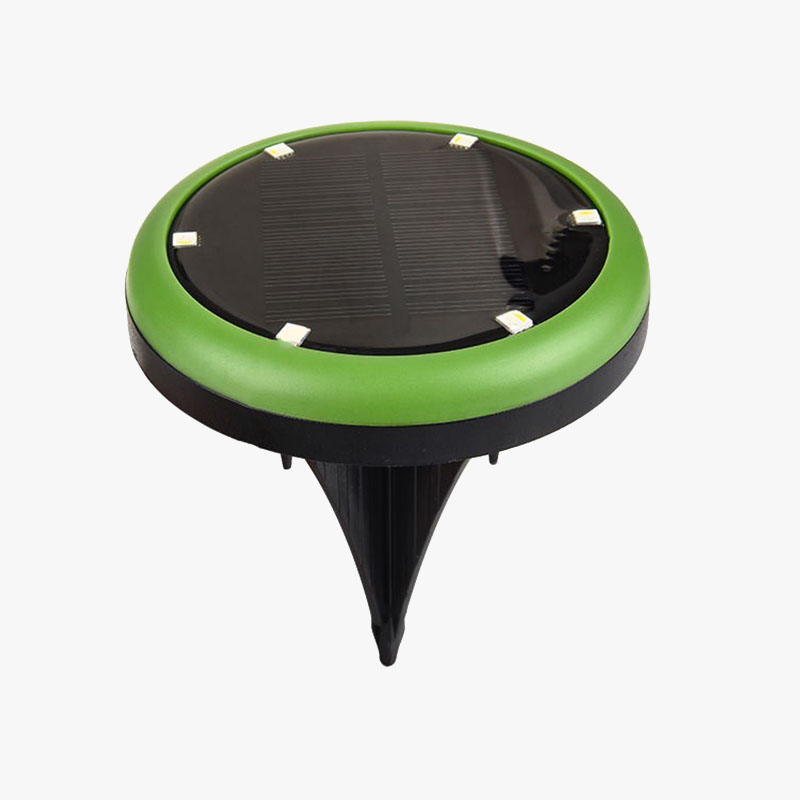
| Solar/USB | Emerging options | Minimal | Outdoor pathways, camping, off-grid use |
Battery-operated motion-sensor units are particularly transformative for staircases and closets where running electrical conduit is impractical. Modern units using three AA batteries can operate for 6 to 12 months before replacement, thanks to the minimal power draw of both the LED and the standby sensor circuit. Stick-on magnetic mounts or adhesive backing allow tool-free installation on walls, baseboards, or cabinet undersides, with repositioning possible in seconds.
Sensor Night Light are not without flaws. Understanding their limitations prevents disappointment and ensures appropriate deployment.
These limitations are generally minor in residential contexts but may be decisive in commercial or healthcare settings where 100% lighting reliability is mandatory. In such cases, hardwired motion-sensor units with battery backup, or hybrid systems combining motion sensors with low-level regular night lights, provide redundancy.
Rather than choosing exclusively one type, the most effective approach assigns each night light category to the locations where its strengths are maximized.
This zoned strategy delivers maximum safety, minimal energy waste, and optimal sleep hygiene. Motion-sensor units handle the high-traffic transitional spaces where hands-free activation prevents fumbling and falls. Regular units serve the static spaces where psychological comfort or continuous visibility takes precedence over automation. The modest additional cost of deploying both types is quickly recovered through energy savings and the avoided medical costs of nighttime falls.
Your email address will not be published. Required fields are marked *

 Building E21, Wanyang Zhongchuang City, No. 555 Binhai Avenue, Binhai Economic Development Zone, Fenghua District, Ningbo City, Zhejiang Province
 0086-130-81920916
 [email protected]
Copyright ? Conbo Electronics Co., Ltd. All right reseved. Custom Led Lights Manufacturers Wholesale Outdoor Light Fixtures Factory