
 English
 Español
Product Consultation
Your email address will not be published. Required fields are marked *
A detachable LED solar wall light can typically last 3 to 5 years overall, with the LED light source itself rated for up to 50,000 hours of operation. The solar panel maintains efficient energy conversion for 5 to 10 years, while the built-in rechargeable battery — usually lithium-ion or LiFePO4 — has a practical lifespan of 2 to 5 years depending on charge cycles and climate. Understanding each component's lifespan helps you maximize the value and performance of your investment.
Content
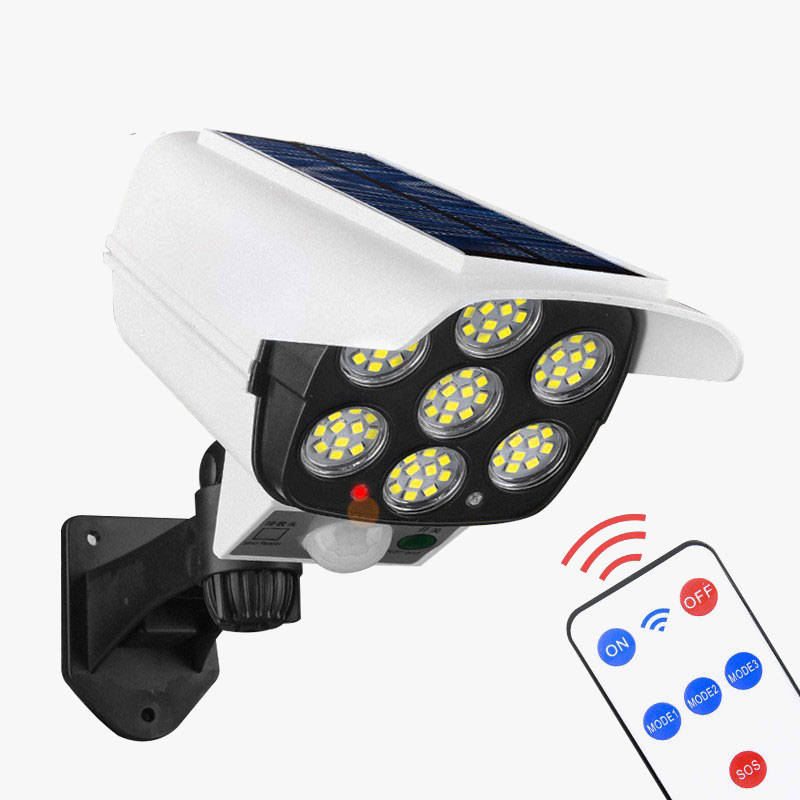
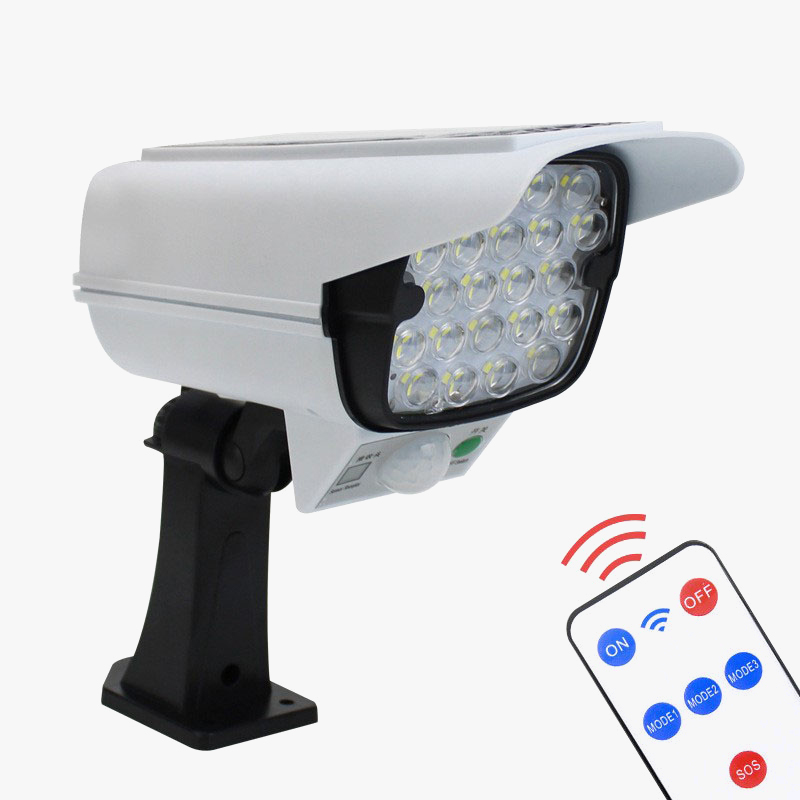
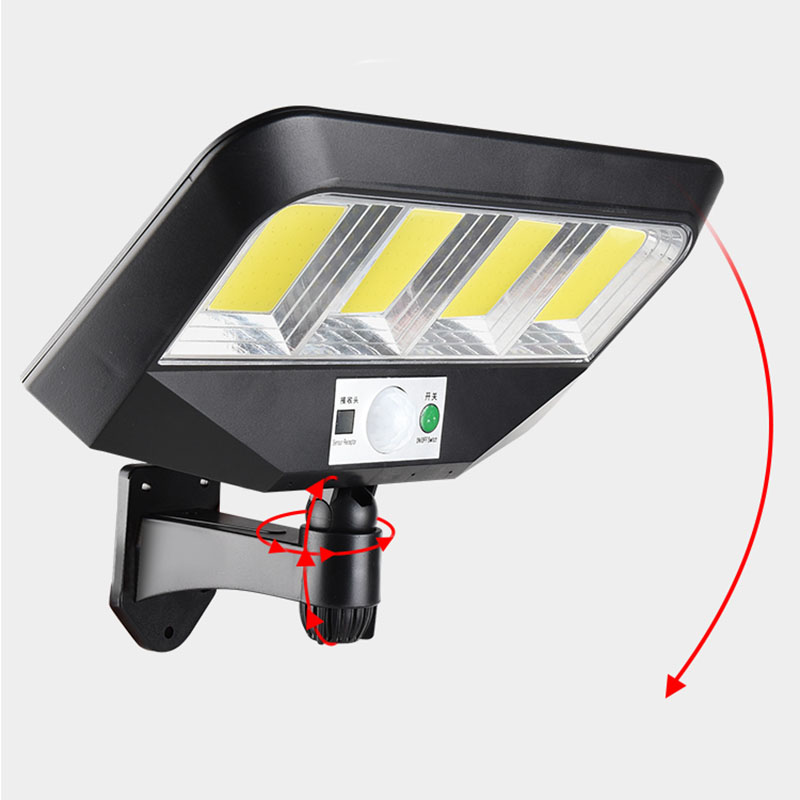
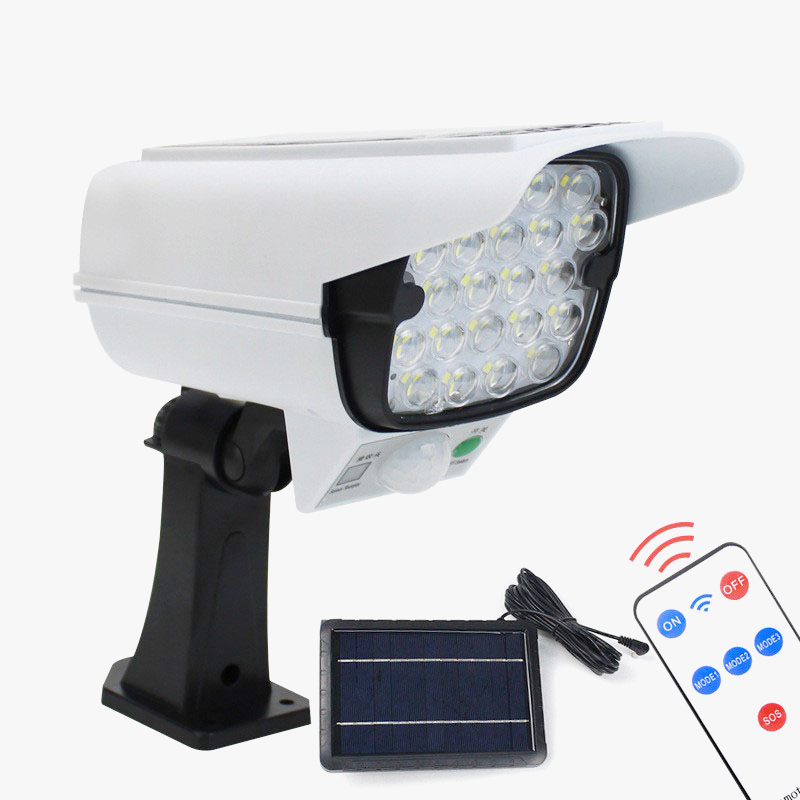
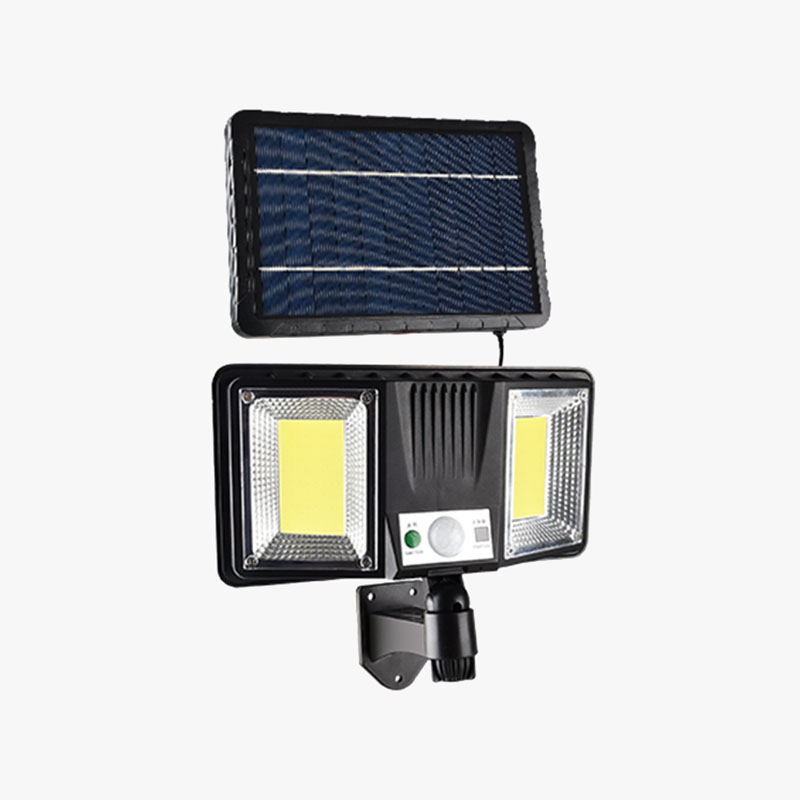
Detachable solar wall lights use solar energy to generate electricity and are typically installed on exterior walls for lighting or decoration. The luminaire consists of two separable parts: a solar panel module and a lighting fixture. The solar panel — usually mounted on or near the top of the unit — captures sunlight and converts it into electrical energy stored in a built-in battery.
The lighting device forms the main body of the fixture and houses the LED light source. Once the solar panel has charged the battery sufficiently, brightness and on/off switching are managed either through manual switches or automatic sensors such as PIR motion detectors or dusk-to-dawn light sensors. The detachable design makes installation, maintenance, and battery replacement far more convenient than integrated units.
The total service life of a detachable LED solar wall light is not determined by a single part — it is the combined result of four major components, each with its own expected lifespan.
Modern high-quality LEDs are rated for 25,000 to 50,000 hours of use. If a light operates for an average of 8 hours per night, 50,000 hours translates to roughly 17 years of nightly use. In practice, LED lifespan is rarely the limiting factor in solar wall lights.
The battery is almost always the weakest link. Standard lithium-ion (Li-ion) batteries support approximately 500 to 1,000 full charge cycles, equating to roughly 2 to 3 years with daily cycling. Lithium iron phosphate (LiFePO4) batteries offer superior performance with 2,000 or more cycles, extending practical battery life to 4 to 5 years. High temperatures, deep discharges, and overcharging all accelerate degradation.
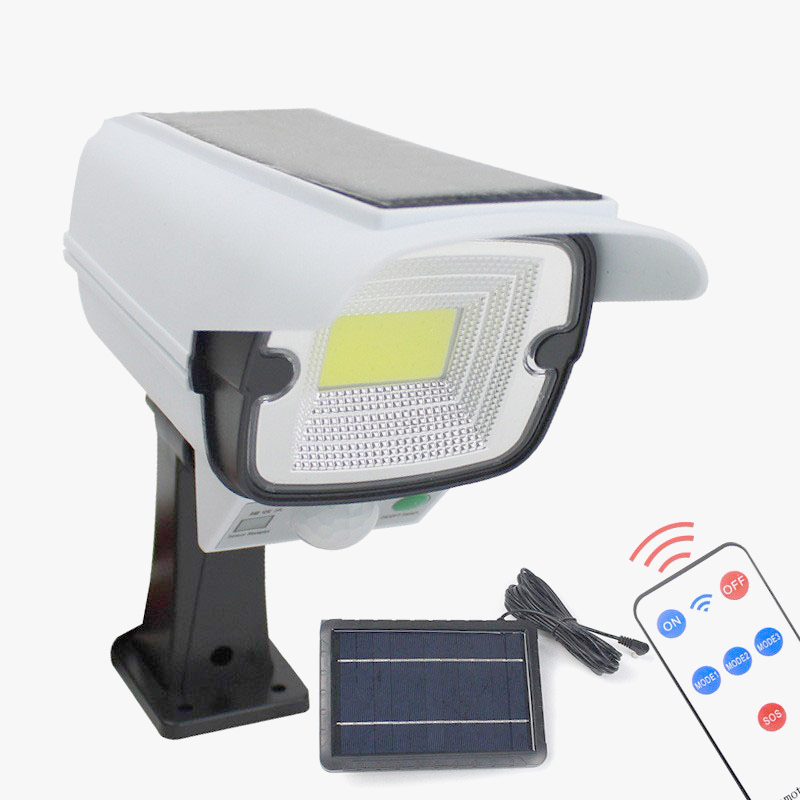
Monocrystalline and polycrystalline solar panels degrade slowly — typically losing around 0.5% to 1% efficiency per year. A panel rated at 5W may output only 4.5W after a decade of outdoor exposure. Most panels remain functionally effective for 5 to 10 years before their reduced charging efficiency noticeably shortens nightly lighting duration.
The outer casing, gaskets, and IP-rated seals protect internal components from rain, dust, and UV radiation. ABS plastic and die-cast aluminum housings with an IP65 or higher rating generally maintain structural integrity for 5+ years. Cheaper plastics may yellow, crack, or lose their seal within 2 to 3 years under direct sunlight and temperature fluctuations.
| Component | Expected Lifespan | Main Limiting Factor |
|---|---|---|
| LED Light Source | 25,000–50,000 hours (~10–17 years) | Heat, voltage spikes |
| Li-ion Battery | 500–1,000 cycles (~2–3 years) | Temperature, deep discharge |
| LiFePO4 Battery | 2,000+ cycles (~4–5 years) | Temperature extremes |
| Solar Panel | 5–10 years (gradual efficiency loss) | UV exposure, soiling |
| Housing / Seals | 3–7 years | UV degradation, impact |
Real-world service life varies widely based on environmental conditions, product quality, and user habits. Here are the most impactful variables:
Battery chemistry is highly temperature-sensitive. At temperatures consistently above 35°C (95°F), lithium battery capacity degrades significantly faster — sometimes losing 20% capacity within the first year. In cold climates below -10°C (14°F), temporary capacity loss is common, though it usually recovers when temperatures rise. Units designed for extreme climates often include thermal management in the battery compartment.
A panel receiving fewer than 4 peak sun hours per day will undercharge the battery chronically, leading to deep discharge cycles that accelerate battery wear. Shading from trees, overhangs, or nearby buildings is a common cause of premature battery failure. South-facing installations in the northern hemisphere (and north-facing in the southern hemisphere) maximize daily charging.
An IP65-rated fixture can withstand water jets from any direction, making it suitable for most outdoor wall applications. IP44 or lower ratings offer only splash protection and degrade quickly in rainy or high-humidity environments. Moisture ingress into the LED driver or battery compartment is one of the most common causes of failure within the first two years.
Lights set to stay on all night at full brightness cycle the battery deeply every day, wearing it out faster. Using motion-sensor mode — where the light activates only when triggered — dramatically reduces daily battery discharge, potentially doubling battery lifespan. Dim standby mode paired with motion activation is the most battery-friendly configuration for most applications.
The difference between a budget unit and a quality-engineered one is significant. Higher-grade products use brand-name battery cells with built-in battery management systems (BMS), tempered glass solar panels, corrosion-resistant hardware, and UV-stabilized housing materials. These design choices can double the effective service life compared to entry-level alternatives.
One of the most practical benefits of detachable solar wall lights is that their modular construction directly extends the overall product lifespan. Because the solar panel and the lighting unit are separate, you can replace just the battery or the panel without discarding the entire fixture. This contrasts sharply with integrated all-in-one units where a failed battery means replacing everything.
Key longevity advantages of the detachable format include:
Recognizing early signs of component wear allows you to intervene before a minor issue becomes a full failure. Watch for these indicators:
With proper care and smart installation choices, you can significantly extend the useful life of your detachable LED solar wall light beyond the average.
Not all detachable solar wall lights are built to last equally. When evaluating models for long-term outdoor use, prioritize the following specifications:
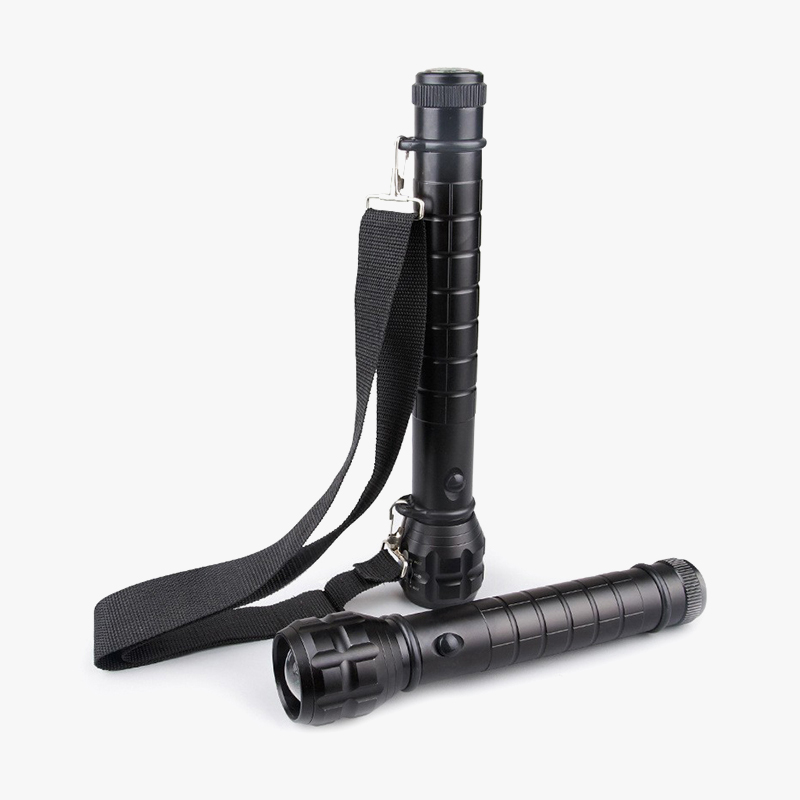
Established in 2009, Conbo Electronics Co., Ltd. is a company dedicated to the manufacturing of lighting fixtures. With nearly 15 years of industry experience, Conbo has achieved outstanding success in the field of illumination. The company primarily focuses on the design, production, and sale of lighting products including solar wall lights, motion sensor lights, flashlights, and outdoor floodlights.
Conbo's long track record in solar wall light manufacturing means their engineering teams have accumulated deep knowledge of component reliability, battery performance in real-world climates, and the design choices that separate long-lasting products from short-lived ones. Products developed by companies with this level of hands-on production experience tend to incorporate better battery management, more durable housing materials, and field-tested waterproofing — all of which directly translate into longer product lifespans for end users.
To summarize the key takeaways on lifespan:
The detachable format is a significant design advantage: rather than replacing the whole unit when the battery degrades, users can swap in a fresh battery and continue using the same solar panel and LED head. For anyone seeking a reliable, low-maintenance outdoor lighting solution, investing in a quality detachable LED solar wall light — and understanding how to care for it — delivers both long-term performance and genuine cost savings.
Your email address will not be published. Required fields are marked *

 Building E21, Wanyang Zhongchuang City, No. 555 Binhai Avenue, Binhai Economic Development Zone, Fenghua District, Ningbo City, Zhejiang Province
 0086-130-81920916
 [email protected]
Copyright ? Conbo Electronics Co., Ltd. All right reseved. Custom Led Lights Manufacturers Wholesale Outdoor Light Fixtures Factory