
 English
 Español
Product Consultation
Your email address will not be published. Required fields are marked *
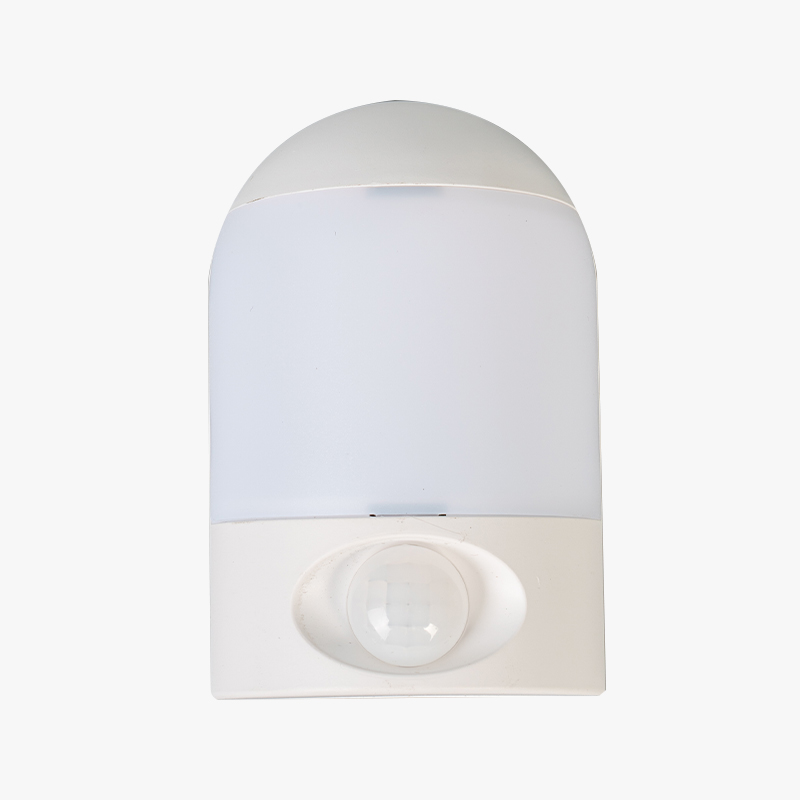
With the increasing popularity of smart home devices, Sensor Night Light have become a common choice for more and more families. They not only provide convenient lighting in the dark but also save energy and improve home security. However, many consumers have a question when choosing a motion-sensor nightlight: Are the lights from Sensor Night Light harmful to the eyes? Today, we'll answer this question to help you better understand the impact of motion-sensor nightlight light on your eyes.
Content
The light from Sensor Night Light is usually soft and not glaring, unlike the strong light of ordinary table lamps or main lights. Since Sensor Night Light are designed to provide low-brightness lighting at night, they mostly use low-power LED beads. The light is gentle, flicker-free, and usually has an adjustable brightness function, automatically adjusting according to changes in the environment. This design effectively avoids strong light stimulation at night, reducing harm to the eyes.
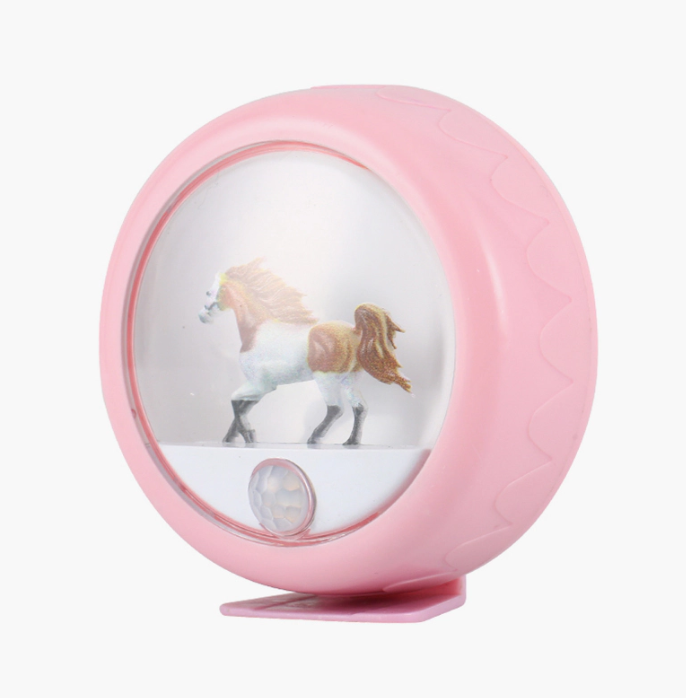
Most Sensor Night Light use LED light sources. LED lights, as a highly efficient and energy-saving light source, are widely used in various lighting devices, including Sensor Night Light. Compared to traditional incandescent bulbs, LED lights generate less heat and are more energy efficient. Therefore, under normal use, LED lights are less harmful to the eyes.
However, prolonged exposure to excessively strong or bright LED light sources may cause eye fatigue. In particular, LED lights with a high blue light content may affect the retina, leading to eye discomfort or affecting sleep quality. Therefore, choosing a motion-sensor nightlight with soft light and minimal blue light emission is crucial.
Most Sensor Night Light have relatively low brightness and are typically used to provide auxiliary lighting in areas such as nighttime wake-up calls and hallways. Compared to the strong daytime lighting, the low brightness design of nightlights is ideal for nighttime use, effectively avoiding eye irritation. For people who need to move around in the dark, the soft light of Sensor Night Light helps them see their surroundings clearly, avoiding accidents, without causing eye fatigue or discomfort.
Some people worry that the light from sensor nightlights will affect sleep quality, especially children and the elderly. In fact, appropriate nightlight light can help improve the nighttime sleep environment and reduce the anxiety caused by darkness. Many studies have shown that low-brightness warm light (such as orange or yellow tones) has less impact on sleep quality and can even help people adapt to their environment more easily when getting up at night without causing excessive eye stimulation.
However, if a sensor nightlight with overly bright white or cool light is used, it may affect the secretion of melatonin, thus interfering with sleep. Therefore, choosing a sensor nightlight with soft, warm tones is more eye-friendly and helps maintain good sleep quality.
To ensure that the light from a sensor nightlight will not harm your eyes, consumers can pay attention to the following points when purchasing:
Under normal use, sensor nightlights will not cause serious eye damage. The low brightness and soft LED light source design are the advantages of sensor nightlights, providing appropriate illumination for nighttime activities while avoiding the harmful effects of strong light on the eyes. However, to ensure optimal performance and eye health, consumers should pay attention to the control of light color temperature, brightness, and blue light content when choosing a sensor nightlight, ensuring that the purchased product is more eye-friendly.
Your email address will not be published. Required fields are marked *

 Building E21, Wanyang Zhongchuang City, No. 555 Binhai Avenue, Binhai Economic Development Zone, Fenghua District, Ningbo City, Zhejiang Province
 0086-130-81920916
 [email protected]
Copyright ? Conbo Electronics Co., Ltd. All right reseved. Custom Led Lights Manufacturers Wholesale Outdoor Light Fixtures Factory