
 English
 Español
Product Consultation
Your email address will not be published. Required fields are marked *
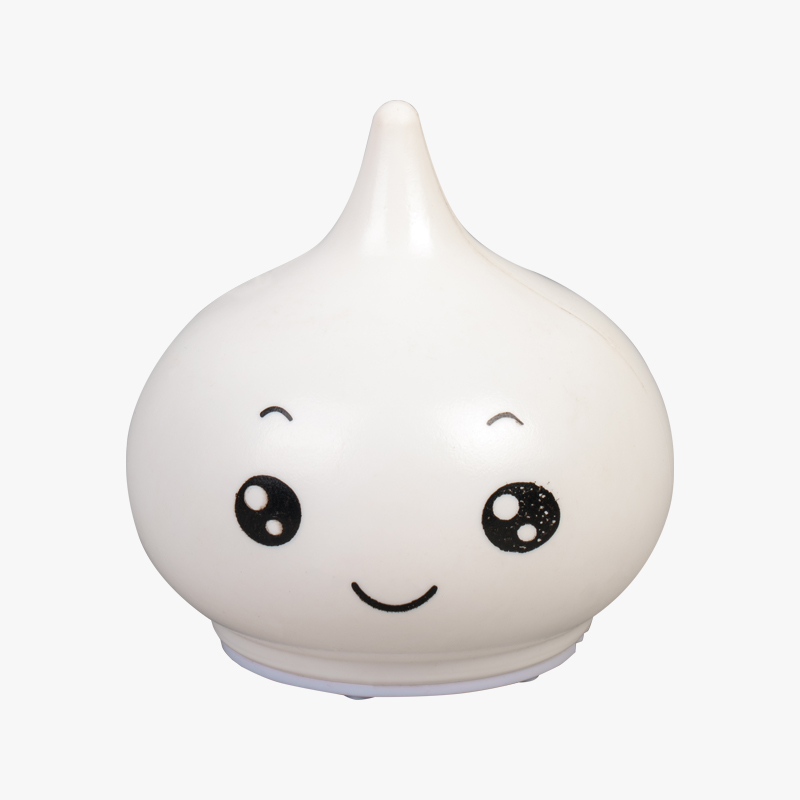
An LED Pat Night Light is a touch-activated, battery-powered or plug-in LED lamp designed to produce a soft, low-intensity glow at night with a simple tap or pat on its body — no switches, no buttons, no reaching in the dark. The defining feature is the tap-to-toggle mechanism: one pat turns it on, another pat turns it off or cycles through brightness levels, making it intuitive for children, the elderly, and anyone who needs quick, fumble-free access to light at night. These lights are widely used in nurseries, bedrooms, hallways, and bathrooms, and modern versions combine energy-efficient LED technology with USB recharging, automatic dusk-to-dawn sensing, and adjustable color temperatures to suit a broad range of environments and users.
Content
The core technology inside a pat night light is a capacitive or piezoelectric touch sensor embedded in the lamp's outer shell. When a user taps the surface, the sensor detects the change in electrical capacitance or mechanical pressure and sends a signal to the LED driver circuit, which toggles the light on or off — or steps through a preset dimming sequence.
Most contemporary LED pat night lights use capacitive touch sensing, the same technology found in smartphone screens. A thin conductive layer beneath the lamp's outer surface measures the change in capacitance caused by a finger or palm making contact. This approach requires no moving mechanical parts, which eliminates the wear and failure modes associated with traditional toggle switches. A quality capacitive sensor can reliably detect contact through materials up to approximately 5 mm thick, allowing the sensor to be fully concealed beneath a smooth silicone or plastic shell.
Some pat night lights, particularly compact or ultra-thin models, use piezoelectric sensors that respond to mechanical pressure rather than electrical capacitance. A firm pat deforms a piezo element and generates a small voltage pulse that triggers the control circuit. Piezo sensors are highly durable and function reliably across a wide temperature range, making them suitable for both indoor and outdoor night lighting applications.
Many LED pat night lights implement a multi-step response so that successive pats cycle through brightness levels rather than simply toggling on and off. A common sequence is: first pat — low brightness (10–20% output); second pat — medium brightness (50%); third pat — full brightness (100%); fourth pat — off. This allows the user to select the light level appropriate for the situation — a dim glow for checking on a sleeping child without disturbing them, or full output for reading or locating an object in the room.
The term "pat night light" covers several distinct product categories, each optimized for a different use context. Understanding the differences helps buyers select the right type for their specific needs.
These models contain a built-in lithium-ion or lithium-polymer battery recharged via USB-C or Micro-USB. Battery capacity typically ranges from 500 mAh to 2,000 mAh, providing between 8 and 50 hours of runtime at low brightness settings depending on LED power draw. Because they require no power cord, rechargeable pat night lights can be placed anywhere — on a nightstand, inside a tent, or beside a hospital bed — and moved freely without regard for outlet location.
Plug-in models connect directly to a standard wall outlet and draw power continuously. They are typically compact — designed to occupy minimal space on the outlet face — and are the most economical to operate because they avoid battery replacement or recharging. Many plug-in pat night lights incorporate a photosensor (dusk-to-dawn sensor) that automatically activates the light when ambient light falls below a threshold (commonly around 5–10 lux) and deactivates it at dawn, eliminating the need for manual operation entirely.
Aimed primarily at infants and young children, these lights are molded from soft, food-grade or BPA-free silicone into animal shapes — bears, rabbits, foxes, dinosaurs — that a child can squeeze, hug, or pat to control. The soft material is safe for young children to handle and diffuses the LED output into an even, glare-free glow. A warm white color temperature of 2700–3000 K is standard in this category because warm light is less disruptive to melatonin production than cool-white or blue-enriched light.
Larger tabletop models resemble conventional bedside lamps but are activated by tapping the base, shade, or body anywhere on the surface rather than a traditional rotary or push switch. These lights typically offer a wider range of brightness control and may include color temperature adjustment between warm white (2700 K) and daylight (6500 K) via successive pats, making them suitable for reading as well as ambient night lighting.
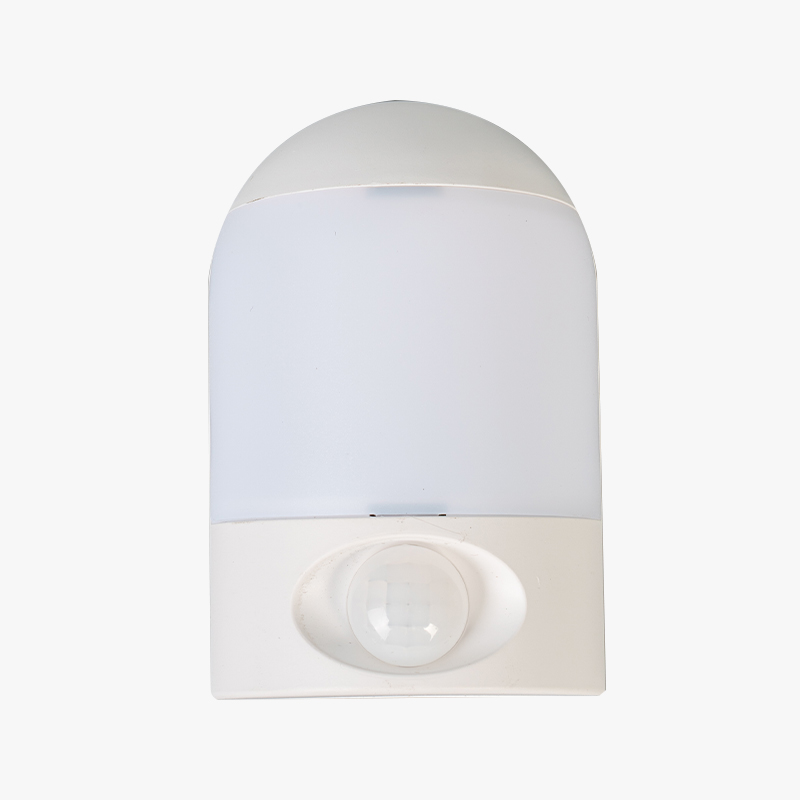
A hybrid category combines the pat-to-toggle function with a passive infrared (PIR) motion sensor. The light activates automatically when motion is detected within a defined range — typically 1–5 meters — and turns off automatically after a set interval (commonly 30–120 seconds) if no further motion is detected. The pat function overrides the auto-off timer when the user wants sustained illumination. This type is particularly useful in hallways and bathrooms where hands-free activation is the priority.
The choice of LED as the light source in pat night lights is not arbitrary — LED technology has specific characteristics that make it uniquely suited to the low-power, long-runtime, safe-for-children requirements of this product category.
Modern LED chips achieve luminous efficacies of 80–120 lm/W, compared with approximately 10–15 lm/W for incandescent bulbs. A typical pat night light operates at 0.5–3 W — enough to produce 40–300 lm of useful light output while drawing negligible power from the battery or mains supply. At 1 W continuous operation, a plug-in LED pat night light consumes only 8.76 kWh per year (1 W x 8,760 hours), which at an average residential electricity rate of USD 0.13/kWh (U.S. Energy Information Administration, 2023 average) costs less than USD 1.15 per year to operate continuously.
Unlike incandescent or halogen bulbs, which convert a large fraction of input energy to heat, LEDs operating at 1–3 W produce negligible surface temperatures — typically less than 40 deg C on the outer shell under normal operation. This makes pat night lights safe to touch and handle by young children, even immediately after extended use, removing the burn hazard present with older technology night lights.
Quality LED chips are rated for 25,000–50,000 hours of operation at their design current (Source: U.S. Department of Energy, LED Lifespan Data, 2022). At 8 hours of use per night, a 25,000-hour LED would last approximately 8.5 years before reaching 70% of its initial output — well beyond the expected product replacement cycle for a night light, meaning the LED effectively never needs replacement during normal product use.
LEDs reach full brightness in microseconds with no warm-up delay, making them ideal for a tap-activated light where the user expects an immediate response. They also dim linearly and flicker-free across a wide range using PWM (pulse-width modulation) or current reduction, enabling the smooth multi-step dimming sequences described above without the color shift or instability that can occur when dimming fluorescent or halogen sources.
Research published in the Journal of Biological Rhythms (Chang et al., 2015) established that light with significant blue-spectrum content (above approximately 480 nm peak wavelength) suppresses melatonin production more strongly than equivalent warm-white light. LED manufacturers have responded by developing night-light-specific warm-white LEDs with color temperatures of 1800–2700 K and reduced blue content, which minimize circadian disruption when used in the hours before sleep. Pat night lights marketed for nurseries and bedrooms now routinely specify their color temperature and CRI to allow informed selection.
The touch-activation design of pat night lights addresses the practical limitations of conventional switches for specific user groups, and the soft LED output meets the lighting requirements of environments where harsh illumination is disruptive.
Young children are not able to locate or operate conventional switches in the dark, and they frequently wake during the night requiring light to feel secure or to signal a caregiver. A soft silicone pat night light placed within reach gives toddlers agency over their lighting without any risk of sharp edges, hot surfaces, or electrical hazard. The physical interaction — hugging or patting the light — also provides comfort that a remote-controlled or voice-activated light cannot replicate.
Arthritis, Parkinson's disease, and other conditions affecting fine motor control make small switches and buttons difficult or impossible to operate reliably in low-light conditions. A large-surface touch-activated night light with a responsive capacitive sensor requires only a broad palm press to activate — no precision required. Placing a pat night light on a bedside table for an elderly person significantly reduces the risk of falls during nighttime trips to the bathroom, which the National Council on Aging (NCOA, Fall Prevention Facts, 2023) identifies as a leading cause of injury among adults over 65.
A parent responding to a baby at 3 AM benefits from a light they can activate with a single sleepy tap without searching for a switch, without waking a partner with a bright overhead light, and without exposing themselves or the infant to the blue-enriched light of a smartphone screen. A warm-white rechargeable pat night light on the changing table or nursing chair is one of the most practical additions to a new parent's nighttime setup.
Hallways, staircases, and bathrooms are the highest-risk locations for nighttime falls. A pat night light in a hallway — especially one with a dusk-to-dawn sensor — provides wayfinding illumination without requiring the user to locate a wall switch. Because LED pat night lights consume so little power, leaving them on all night in these locations is economically negligible while providing a meaningful safety benefit.
The market offers a wide range of pat night light products, and the following specifications are the most meaningful differentiators between performance tiers.
| Specification | Entry Level | Mid Range | Premium |
|---|---|---|---|
| LED wattage | 0.3–0.5 W | 1–2 W | 2–5 W |
| Lumen output | 10–30 lm | 50–150 lm | 150–400 lm |
| Color temperature | Fixed warm white | 2 steps (warm/cool) | Adjustable 2700–6500 K |
| Battery capacity | 300–500 mAh | 800–1200 mAh | 1500–2000 mAh |
| Runtime (low brightness) | 4–8 hours | 10–20 hours | 30–50+ hours |
| Brightness steps | On/Off only | 2–3 levels | 3–5 levels or stepless |
| Dusk-to-dawn sensor | No | Some models | Yes, with adjustable threshold |
| Charging connection | Micro-USB | Micro-USB or USB-C | USB-C |
| Shell material | ABS plastic | ABS + silicone | Silicone or premium ABS |
| Safety certifications | CE | CE, RoHS | CE, RoHS, UL or ETL |
For a children's nursery, battery capacity, shell material, and color temperature are the most important specifications. For a hallway or bathroom, a plug-in model with a dusk-to-dawn sensor and a PIR motion detector will provide the best combination of convenience and energy efficiency.
The color temperature of a night light has a measurable effect on sleep onset latency and sleep quality, a point increasingly recognized by lighting designers and sleep researchers alike.
Warm white light with a color temperature below 2700 K produces minimal stimulation of the intrinsically photosensitive retinal ganglion cells (ipRGCs) that regulate the circadian clock. A night light operating at 2000–2200 K — sometimes described as "amber" or "candlelight" — allows users to see adequately without measurably suppressing melatonin, making it the best choice for nurseries, bedrooms, and any space used in the hour before sleep. A 2017 review in Sleep Medicine Reviews (Chellappa et al.) found that short-wavelength blue light exposure equivalent to a 6500 K white light source suppressed melatonin production by up to 85% compared with equivalent exposure to a 2700 K source.
Neutral white provides better color rendering and higher apparent brightness per watt than warm white, making it appropriate for navigation lighting in hallways and bathrooms where the primary goal is safe movement rather than sleep preparation. A pat night light in a hallway used only briefly for nighttime trips to the bathroom can reasonably use a 3000–3500 K source without meaningful circadian disruption due to the short exposure duration.
Cool white or daylight-spectrum LEDs should not be used in night lights intended for sleeping areas. The high blue content of these sources is effective at suppressing melatonin and increasing alertness — properties useful for daytime task lighting but counterproductive in a night light context.
Because pat night lights are frequently used in children's rooms and handled directly by young children, safety certification is an important purchasing criterion rather than an optional extra.
Getting the most out of an LED pat night light requires thoughtful placement and a basic understanding of how the light interacts with the environment.
For a bedside table night light, placing the lamp at approximately 60–80 cm above the floor (standard nightstand height) provides enough light to see clearly when sitting up in bed or standing, without directing the light beam toward the ceiling of a sleeping partner. For a floor-level plug-in model in a hallway, a mounting height of 15–30 cm above the floor provides wayfinding illumination that clearly outlines the floor plane without shining into the eyes of a person walking upright.
Even a low-output warm-white night light can cause sleep disturbance if positioned too close to the face of a sleeping person. Placing the light at least 1 meter from the head of the bed and orienting any directional light away from the sleeping position reduces light exposure to the sleeper while still providing adequate ambient illumination for nighttime caregiving tasks.
If the pat night light includes a dusk-to-dawn photosensor, ensure the sensor is not obstructed by lamp shades, furniture, or curtains that would prevent it from accurately reading ambient light levels. A sensor blocked from daylight will keep the lamp on continuously during daytime, consuming unnecessary power and reducing LED lifespan. Position plug-in models on outlets that have a clear line of sight to a window or to the general ambient light level of the room.
For rechargeable models, avoid allowing the battery to discharge fully before recharging. Lithium-ion batteries used in pat night lights maintain better cycle life when kept in the 20–80% state of charge range rather than being routinely discharged to zero and charged to 100%. Recharging the light during the daytime every 2–3 days at medium usage is preferable to running it flat each night.
Understanding how LED pat night lights compare with alternative technologies helps clarify why the LED pat format has become the dominant choice for residential night lighting in recent years.
| Feature | LED Pat Night Light | Incandescent Night Light | Fluorescent Night Light | Smart Plug-In Night Light |
|---|---|---|---|---|
| Activation method | Touch / pat | Manual switch | Manual or auto | App / voice / auto |
| Energy use (typical) | 0.5–3 W | 4–7 W | 2–5 W | 1–5 W |
| Service life | 25,000–50,000 hrs | 1,000–2,000 hrs | 6,000–10,000 hrs | 25,000+ hrs |
| Heat output | Very low | High | Moderate | Very low |
| Child safety | High (silicone options) | Low (hot surface) | Moderate | Moderate |
| Portability | Yes (rechargeable) | No | No | No |
| Warm-white sleep-safe option | Yes | Yes (limited) | Rarely | Yes (tunable) |
| Setup complexity | None | None | None | App setup required |
The LED pat night light occupies a compelling middle ground: it is simpler and lower-cost than a smart night light requiring app configuration, while offering significantly better energy efficiency, safety, and usability than incandescent or fluorescent alternatives. For users who want reliable, simple, low-maintenance night lighting without the complexity of smart home integration, the LED pat night light is the most practical choice in the current market.
With a broad range of products available, the following checklist helps identify night lights that will perform well and last:
The LED Pat Night Light range from CBLamps is designed with these selection criteria in mind, offering warm-color-temperature LEDs, multi-step dimming, safe-material shells, and international safety certifications — making them a reliable choice for nurseries, bedrooms, and hallway safety lighting applications.
Yes. At a typical operating power of 0.5–2 W, an LED pat night light left on continuously overnight for 8 hours consumes between 4 and 16 Wh per night — less than 6 kWh per year at 8 hours per night. This is negligible in terms of electricity cost and poses no fire or safety hazard provided the product carries appropriate safety certification and is used on a stable surface away from flammable materials.
Capacitive touch sensors require a conductive material — typically bare skin — to function. Most will not respond through thick gloves or multiple layers of fabric. Piezoelectric models respond to pressure rather than conductivity and will function through light fabric. If the light will be used by someone who cannot make direct skin contact (such as a person wearing compression gloves), check the product specifications for the sensing technology type before purchasing.
The LED chips used in warm-white (2700 K and below) night lights emit relatively little blue-spectrum light compared with cool-white or daylight LEDs. At the very low output levels typical of a night light (10–50 lm), even cool-white LED night lights present minimal blue light hazard in the photobiological sense — the concern is primarily circadian disruption (melatonin suppression) rather than retinal damage. For sleep health, selecting a warm white model below 2700 K is the appropriate precaution.
Silicone shell models can be wiped with a damp cloth and mild dish soap. Avoid abrasive cleaners, alcohol-based solutions at high concentrations, or submerging the unit in water unless the product is explicitly rated as waterproof (IPX7 or similar). For regular nursery hygiene, a weekly wipe with a damp cloth is sufficient to keep the surface clean and the touch sensor functioning correctly.
Your email address will not be published. Required fields are marked *

 Building E21, Wanyang Zhongchuang City, No. 555 Binhai Avenue, Binhai Economic Development Zone, Fenghua District, Ningbo City, Zhejiang Province
 0086-130-81920916
 [email protected]
Copyright ? Conbo Electronics Co., Ltd. All right reseved. Custom Led Lights Manufacturers Wholesale Outdoor Light Fixtures Factory