
 English
 Español
Product Consultation
Your email address will not be published. Required fields are marked *
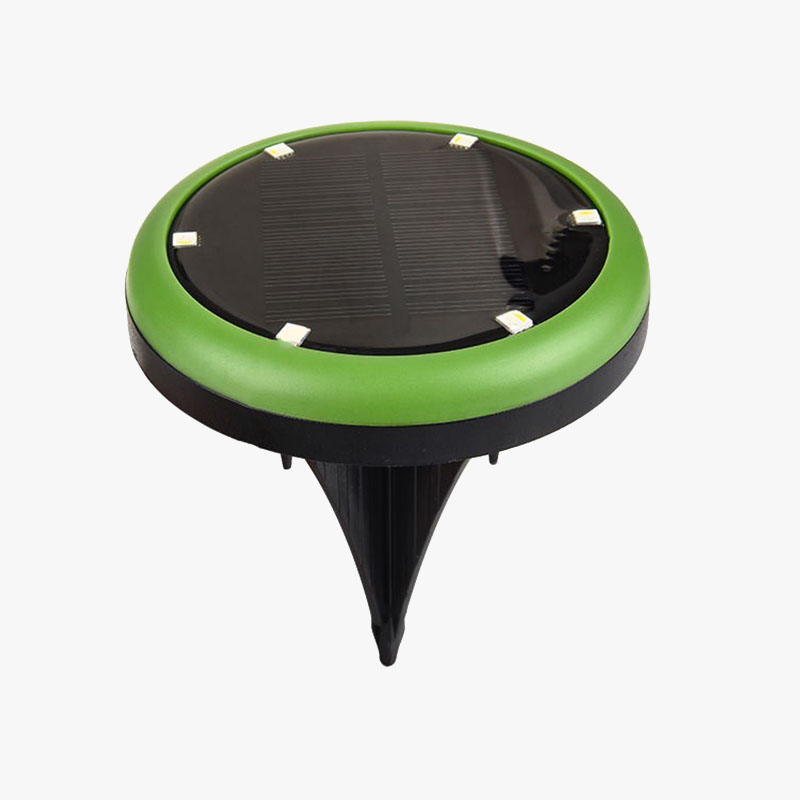
A solar underground light has a total system lifespan of 3 to 10 years, depending on the component with the shortest service life. The LED light source itself typically lasts 30,000 to 50,000 hours — far exceeding all other components. The limiting factor in most installations is the rechargeable battery, which typically degrades to 70–80% of its original capacity after 500 to 1,000 charge cycles, equivalent to roughly 2 to 5 years of daily use. The solar panel and housing generally last 10 years or more under normal outdoor conditions.
Content
A solar underground light consists of four primary components, each with a different service life. Understanding each helps set realistic expectations and plan maintenance accordingly:
| Component | Typical Lifespan | Main Failure Cause |
|---|---|---|
| LED light source | 30,000–50,000 hours | Heat accumulation, overdriving |
| Rechargeable battery | 2–5 years (500–1,000 cycles) | Charge cycle degradation, temperature extremes |
| Solar panel | 10–15 years | UV degradation, surface soiling |
| Control system / PCB | 5–10 years | Moisture ingress, voltage surges |
| Housing and lens | 10+ years | Physical impact, UV yellowing of low-grade plastics |
In practice, the battery is the component that determines the effective service life of the entire unit in most installations. Once battery capacity drops below 70%, the light will noticeably underperform — providing fewer hours of illumination per night even in good sunlight conditions.
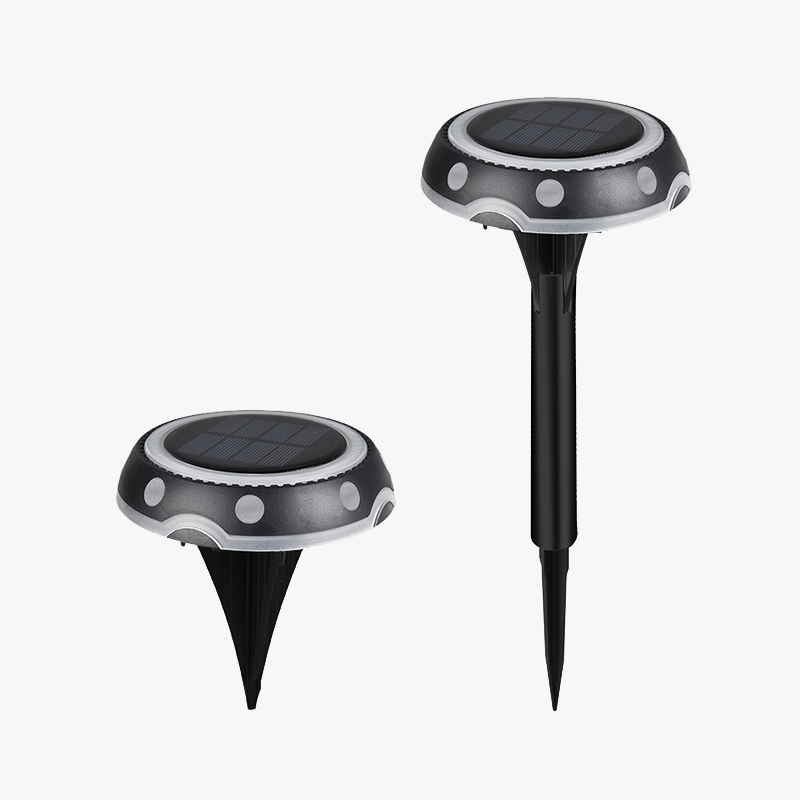
Solar underground lights use LED technology almost exclusively, and this is a key reason they offer substantially longer operational life than older solar fixtures that used incandescent or fluorescent sources:
At 8 hours of operation per night, a 50,000-hour LED source would theoretically last over 17 years before reaching end of rated life — making battery replacement, not LED failure, the realistic maintenance task.
The type of rechargeable battery used in a solar underground light has a direct and significant effect on how long the system performs reliably:
The best-performing battery chemistry for outdoor solar lighting. LiFePO4 batteries typically deliver 2,000 or more charge cycles — equivalent to 5–7 years of daily cycling — while retaining 80% capacity. They also operate reliably across a wide temperature range (-20°C to +60°C) and present minimal fire or thermal runaway risk.
Common in mid-range solar underground lights. Li-ion cells offer 500–1,000 cycles and good energy density, but degrade faster in high-temperature environments — a concern for flush-mounted underground fixtures where heat dissipation is limited.
Found in lower-cost products. NiMH batteries last 500–800 cycles but self-discharge more rapidly, resulting in shorter illumination times during periods of low solar input.
Several installation and environmental conditions accelerate degradation across all components of a solar underground light:
Practical steps to extend operational life beyond the minimum:
Your email address will not be published. Required fields are marked *

 Building E21, Wanyang Zhongchuang City, No. 555 Binhai Avenue, Binhai Economic Development Zone, Fenghua District, Ningbo City, Zhejiang Province
 0086-130-81920916
 [email protected]
Copyright ? Conbo Electronics Co., Ltd. All right reseved. Custom Led Lights Manufacturers Wholesale Outdoor Light Fixtures Factory