
 English
 Español
Product Consultation
Your email address will not be published. Required fields are marked *
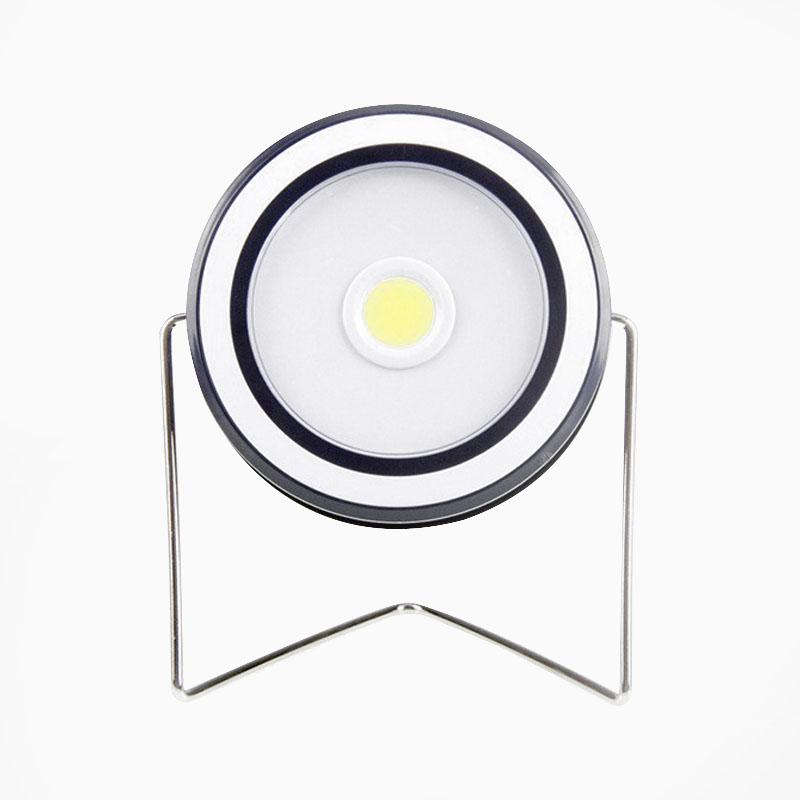
The overall lifespan of a solar working lamp is typically between 2 and 10 years, depending on which component you are measuring. The LED bulbs can last 25,000 to 50,000 hours, the solar panel retains useful output for 20 to 25 years, but the rechargeable battery — the most vulnerable component — generally needs replacement every 2 to 5 years. In practical terms, the battery determines the effective service life of the lamp as a complete unit, and proper care can push that significantly toward the upper end of the range.
Content
A solar working lamp is a system of four main components — solar panel, battery, LED bulbs, and circuit controller — each with a different expected service life. Understanding each one helps set realistic expectations and plan for maintenance.
| Component | Typical Lifespan | Primary Failure Cause | Replaceable? |
|---|---|---|---|
| Solar Panel | 20–25 years | UV degradation, physical damage | Yes (on modular models) |
| LED Bulb | 25,000–50,000 hours | Voltage fluctuation, heat buildup | Yes |
| Rechargeable Battery | 2–5 years (500–1,000 cycles) | Deep discharge, overcharging, heat | Yes (most models) |
| Circuit Controller | 5–10 years | Moisture ingress, surge damage | Yes (on serviceable models) |
At 4 hours of use per day, a 25,000-hour LED bulb would take over 17 years to reach end of life. In almost all cases, the battery will need replacement long before the LED or solar panel shows any meaningful degradation.
Rechargeable batteries degrade through a process called cycle aging — each complete charge and discharge cycle causes a small, cumulative reduction in the battery's capacity to hold charge. Most batteries used in solar working lamps are rated for 500 to 1,000 full charge cycles before capacity drops below 80% of the original specification.
At one cycle per day — typical for a lamp charged daily by solar energy and discharged overnight — a 500-cycle battery reaches this threshold in approximately 16 to 18 months under heavy use conditions. A 1,000-cycle battery under the same conditions lasts around 3 years. However, most users do not fully deplete their battery every day, and moderate use commonly extends practical battery life to 3–5 years.
The gap between a solar working lamp lasting 2 years and one lasting 8 or more years often comes down to usage conditions and maintenance habits rather than product quality alone.
A straightforward maintenance routine applied consistently can extend the service life of a solar working lamp well beyond the average. The following practices address the most common failure points.
Recognizing the early signs of component degradation allows users to address issues before a complete failure occurs — often extending usable life through a simple battery replacement rather than full unit replacement.
The environment in which a solar working lamp is used has a substantial impact on how long each component lasts. The table below summarizes realistic lifespan expectations across common deployment scenarios.
| Use Environment | Battery Lifespan | Overall Lamp Lifespan | Main Risk Factor |
|---|---|---|---|
| Indoor / garage (moderate temp) | 4–5 years | 6–10 years | Infrequent use / storage discharge |
| Outdoor / construction site | 2–3 years | 3–5 years | Heat, daily deep discharge, impacts |
| Camping / occasional outdoor use | 4–6 years | 5–8 years | Storage between uses without charge |
| Off-grid / daily essential use | 2–4 years | 3–6 years | High daily cycle count |
| Emergency preparedness (stored) | 3–5 years (with maintenance) | 5–10 years | Long-term storage without recharging |
Your email address will not be published. Required fields are marked *

 Building E21, Wanyang Zhongchuang City, No. 555 Binhai Avenue, Binhai Economic Development Zone, Fenghua District, Ningbo City, Zhejiang Province
 0086-130-81920916
 [email protected]
Copyright ? Conbo Electronics Co., Ltd. All right reseved. Custom Led Lights Manufacturers Wholesale Outdoor Light Fixtures Factory