Product Consultation
Your email address will not be published. Required fields are marked *
How to Use an LED Sensor Night Light?
Dec 05,2025How do solar wall lights work?
Nov 28,2025How can magnetic work lights be waterproof and dustproof?
Nov 21,2025What is a flood wall lamp?
Nov 14,2025How do Sensor Night Light work?
Nov 07,2025What are the reasons why solar wall lights don't turn on?
Nov 01,2025How do sensor night lights work?
Oct 24,2025What is a work light?
Oct 17,2025Is it safe to leave a nightlight on all night?
Oct 10,2025How to Install a Solar Wall Light?
Oct 03,2025Where can LED night lights be placed in the home?
Sep 26,2025How do sensor night lights work?
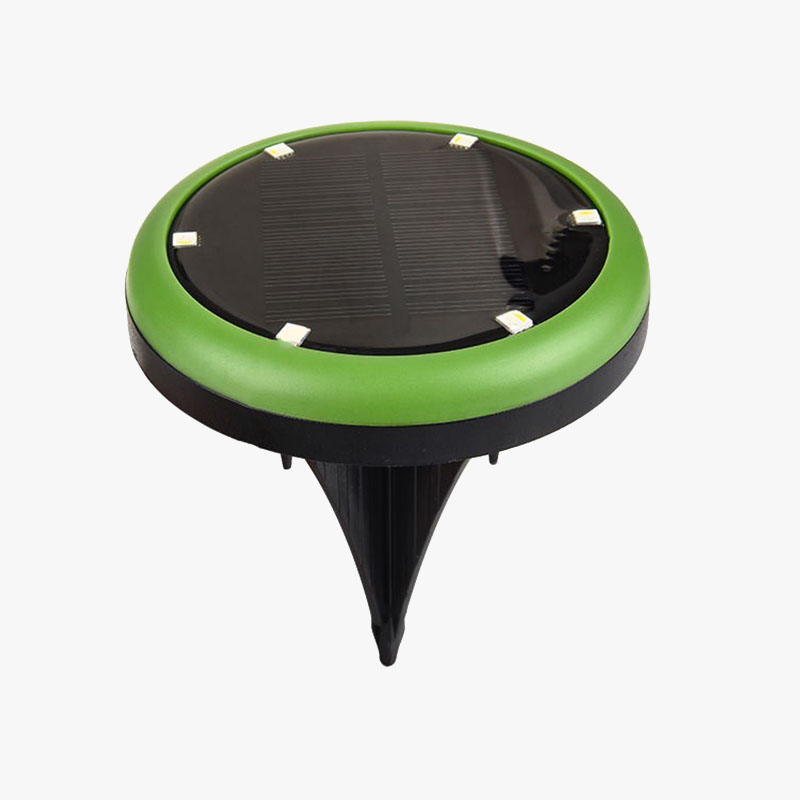
Sep 19,2025LED solar ground lights are ideal for beautifying your yard and improving outdoor safety, but if yours suddenly stops working, don't panic. In most cases, the problem isn't with the quality of the product itself, but rather with common, minor issues.
1. Check the solar panel to ensure it's receiving sunlight.
Keywords: solar panel, light
The heart of an LED solar ground light is the solar panel, which collects sunlight and converts it into electricity. If there's dirt, leaves, or other obstructions on the panel's surface, light absorption will be significantly reduced.
Cleaning the surface: Wipe the solar panel with a soft cloth to remove dust, dirt, or water stains.
Adjusting the position: Check the fixture's mounting location. If it's blocked by new growth, shadows from buildings, or seasonal changes, consider moving it to a location with more sunlight.
2. Check the switch to ensure the power is on.
Keywords: switch, power
Many LED solar ground lights have a waterproof switch located on the bottom or side. After installing or moving a light fixture, people often forget to turn it on.
Find the switch: Carefully inspect the light fixture and locate the on/off switch.
Make sure it's on: Flip the switch to the "on" position. If the light fixture was previously off, let it charge in the sun for a full day and see if it lights up properly in the evening.
3. Check the battery to confirm it's charging and discharging properly.
Keywords: Battery, Charging
The battery is the energy source of the LED solar ground light. Over time, battery performance may degrade or the battery may enter protection mode due to prolonged periods of low charge.
Charging for an extended period: If the light fixture has not been used for an extended period, place it in the sun for at least 48 hours to recharge the battery.
Replacing the battery: If the light fixture has been used for more than a year and all other issues have been resolved, the battery may have reached the end of its life. Most solar ground lights use rechargeable nickel-metal hydride (Ni-MH) batteries, which can be replaced with compatible replacements.
4. Troubleshoot internal wiring and lamp issues
Keywords: Lamp, wiring
In rare cases, the problem may lie within the fixture.
Check the wiring: If you're a hands-on user, carefully open the fixture and inspect the internal wiring for any breaks or loose connections.
Lamp failure: LED lamps have a long lifespan, but a short circuit, such as caused by water ingress, can damage them. If only some of the lamps are not lighting, you may need to replace the entire lamp head or contact the seller for assistance.
If your LED solar ground light is not lighting, please follow these steps in order: "Check the solar panel → Check the switch → Check the battery." In most cases, the problem can be easily resolved. If all other troubleshooting methods fail and the product is still under warranty, contacting the seller is the best option.
Your email address will not be published. Required fields are marked *
Copyright ? Conbo Electronics Co., Ltd. All right reseved.   Custom Led Lights Manufacturers  Wholesale Outdoor Light Fixtures Factory