
 English
 Español
Product Consultation
Your email address will not be published. Required fields are marked *
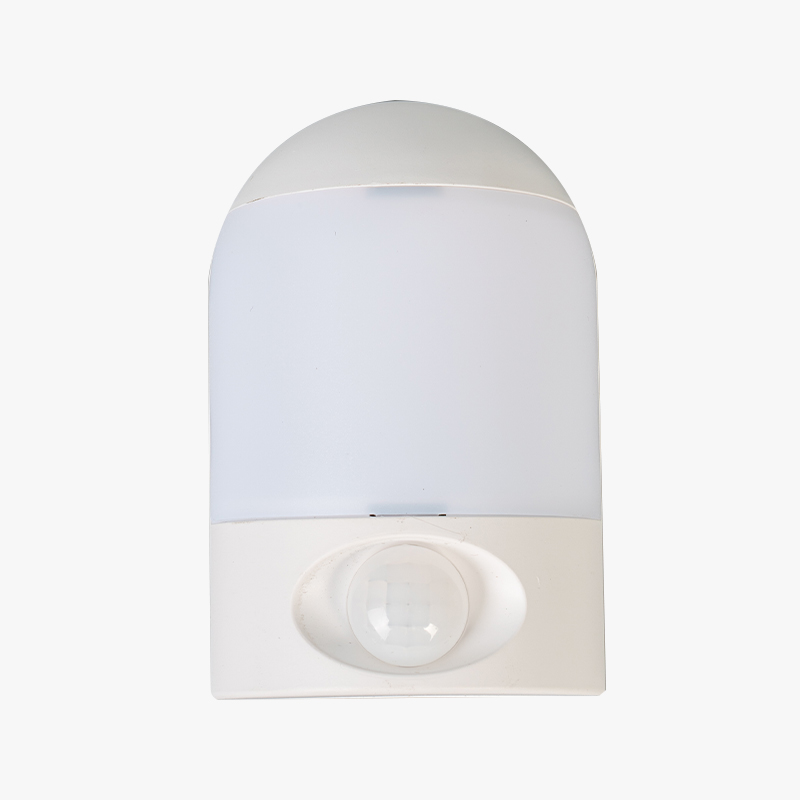
With the pursuit of smart homes and improved convenience, sensor night lights have become an essential helper in many homes. They're often found in bedrooms, hallways, closets, and even bathrooms, guiding us through the darkness with their gentle glow.
The key to the automatic on/off switching of sensor night lights lies in their built-in sensor technology. Two main types are currently common on the market:
Content
Most human-sensing night lights use a PIR (Passive Infrared Sensor). The human body, as a constant temperature body, continuously radiates infrared light of a specific wavelength.
A PIR sensor contains one or more pyroelectric elements. When a person (or other heat source) enters its detection range, human movement causes a change in the intensity of infrared radiation within the sensor's field of view.
The sensor converts this change in infrared intensity into an electrical signal. When the signal reaches a preset threshold, the circuit is triggered, and the sensor night light illuminates.
This night light is highly sensitive to changes in movement and temperature, making it ideal for areas requiring frequent traversal, such as hallways and stairways.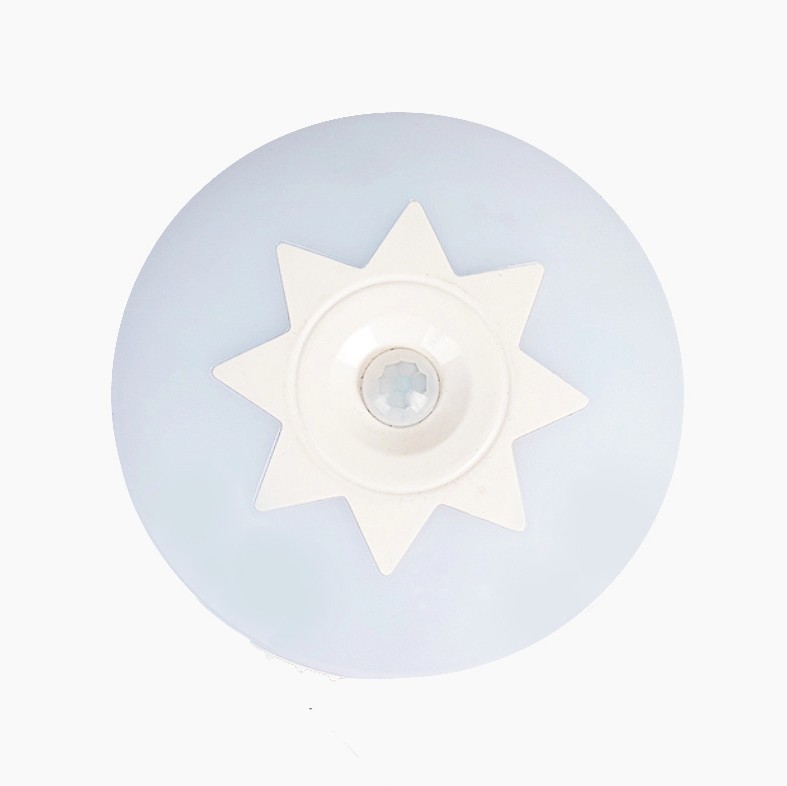
In addition to PIR sensors, almost all sensor night lights are equipped with a photoresistor or ambient light sensor.
The resistance of a photoresistor changes with the intensity of ambient light. The stronger the light, the lower the resistance; the weaker the light (darkness), the higher the resistance.
When ambient light drops to a certain level (such as dusk or night), the resistance of the photoresistor increases, signaling darkness. This activates the PIR sensor into standby mode, or directly allows the LED night light to illuminate when triggered.
This design ensures that the sensor night light operates only at night, when illumination is actually needed. This conserves energy, extends battery life, and is more energy-efficient.
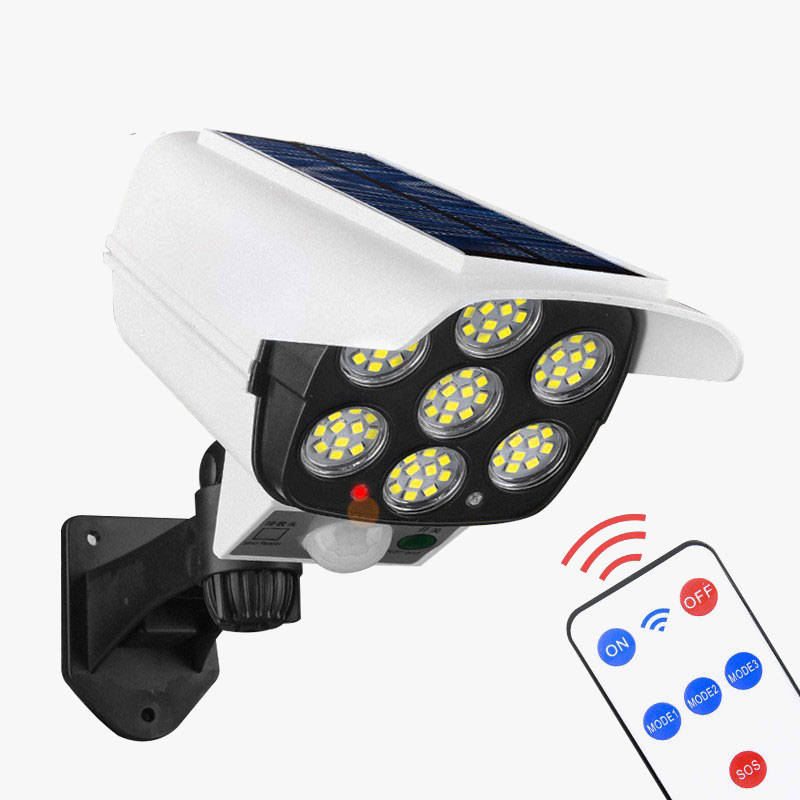
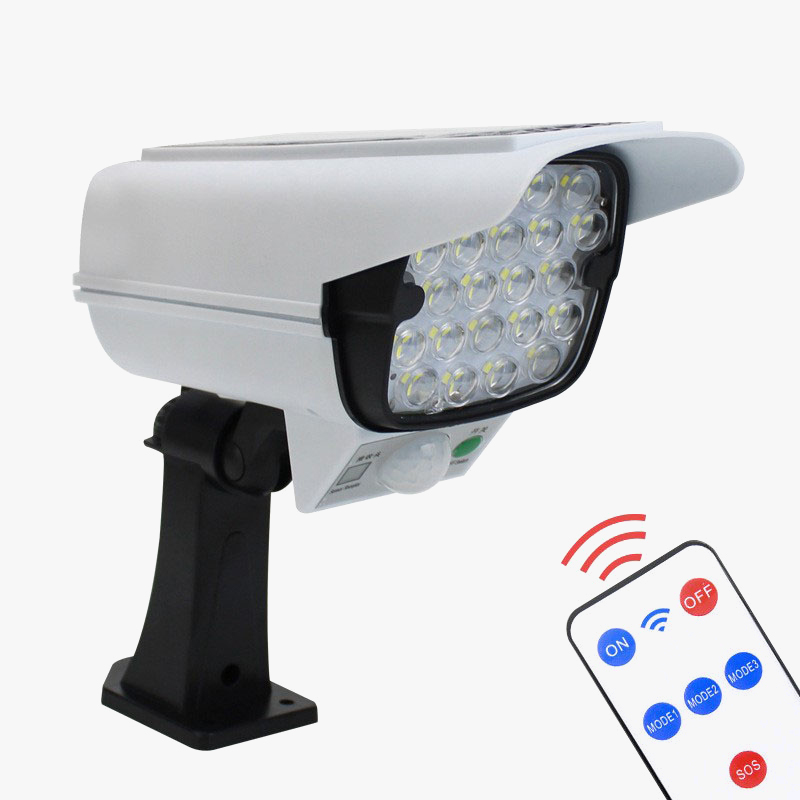
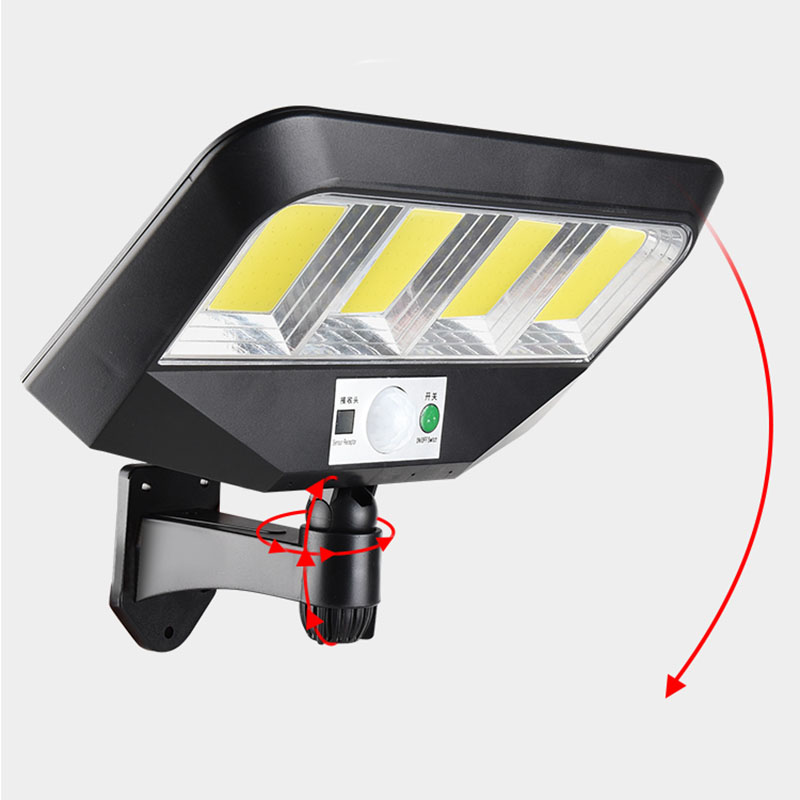
A complete sensor night light system typically consists of the following core components:
After understanding the working principle, consider the following points when choosing a sensor night light:
Using these advanced sensor technologies, the sensor night light provides a safe, convenient, and energy-efficient lighting solution in the dark, truly embodying the concept of technology serving people.
Your email address will not be published. Required fields are marked *

 Building E21, Wanyang Zhongchuang City, No. 555 Binhai Avenue, Binhai Economic Development Zone, Fenghua District, Ningbo City, Zhejiang Province
 0086-130-81920916
 [email protected]
Copyright ? Conbo Electronics Co., Ltd. All right reseved. Custom Led Lights Manufacturers Wholesale Outdoor Light Fixtures Factory