
 English
 Español
Product Consultation
Your email address will not be published. Required fields are marked *
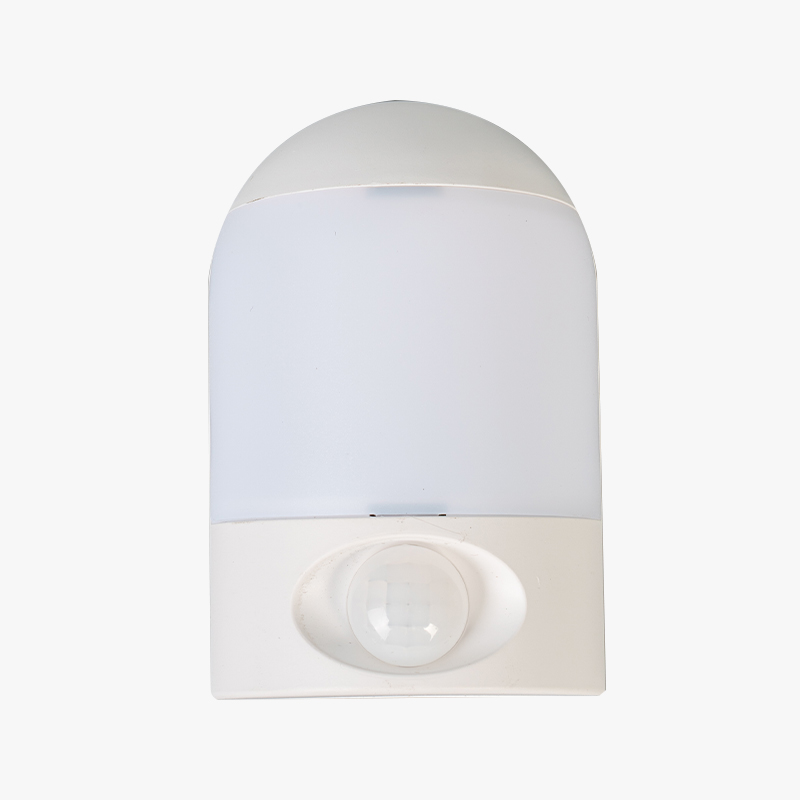
When you walk through a hallway, enter a room, or fumble for something in front of a cabinet at night, the motion-sensor nightlight activates without you having to lift a finger, providing convenient and energy-efficient light. How do they anticipate your needs and respond precisely?
Content
The core of a motion-sensor nightlight lies in its built-in sensor. Depending on its function and design, most Sensor Night Light on the market rely on the following sensor technologies:
This is currently the most common and widely used motion-sensor nightlight technology.
Working Principle: The core of this type of motion-sensor nightlight is the PIR sensor (Passive Infrared Sensor).
Pyroelectric Effect: Any object with a temperature (including the human body) radiates infrared radiation (thermal radiation) of a specific wavelength. The pyroelectric element inside the PIR sensor is highly sensitive to this infrared radiation.
Fresnel Lens: A Fresnel lens is usually mounted on the outside of the sensor. Its function is like a "focusing lens," focusing the infrared signal within the sensing area onto the PIR element, while simultaneously dividing the sensing sector to improve sensitivity to movement.
Signal Trigger: When a human moves into the detection range of the motion-sensor night light, the changes in infrared radiation emitted by the human body in different sensing sectors cause a change in the charge balance of the pyroelectric element, thereby generating an electrical signal.
Automatic Turn-On: After the signal is amplified and processed by the circuit, when it reaches a certain threshold, it triggers the circuit, causing the motion-sensor night light to automatically turn on. After the person leaves, the infrared signal stabilizes, and the light automatically turns off (usually with a delayed turn-off function).
Tip: Compared to sound or microwave sensing, PIR sensors primarily detect the movement of heat sources, therefore they are less affected by non-living objects, making them one of the best choices for achieving "lights turn on when someone approaches."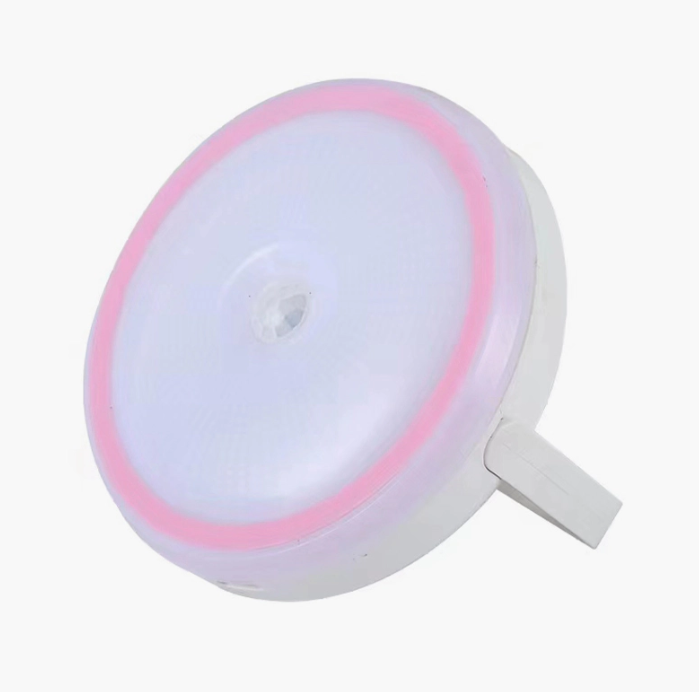
To achieve a true "night light" function, many motion-sensor night lights also integrate a photosensitive element (such as a photoresistor).
Working Principle: This component senses changes in ambient light intensity.
Intelligent Control: The light sensor is activated or the PIR sensor's signal path is allowed to conduct only when the ambient light level is below a preset brightness value (i.e., "it's dark").
Energy Saving Guarantee: This ensures the motion-sensor nightlight won't be triggered by unrelated movement during the day when there is sufficient light, significantly saving energy and extending battery life.
This motion-sensor nightlight, integrating human movement detection and light sensing, brings multiple conveniences to users:
The design of the motion-sensor nightlight is a microcosm of "seamless interaction" in modern smart homes. The next time you see it turn on automatically, you'll understand that it's the result of the PIR sensor subtly "serving" you with changes in infrared light.
Your email address will not be published. Required fields are marked *

 Building E21, Wanyang Zhongchuang City, No. 555 Binhai Avenue, Binhai Economic Development Zone, Fenghua District, Ningbo City, Zhejiang Province
 0086-130-81920916
 [email protected]
Copyright ? Conbo Electronics Co., Ltd. All right reseved. Custom Led Lights Manufacturers Wholesale Outdoor Light Fixtures Factory