Product Consultation
Your email address will not be published. Required fields are marked *
How to Use an LED Sensor Night Light?
Dec 05,2025How do solar wall lights work?
Nov 28,2025How can magnetic work lights be waterproof and dustproof?
Nov 21,2025What is a flood wall lamp?
Nov 14,2025How do Sensor Night Light work?
Nov 07,2025What are the reasons why solar wall lights don't turn on?
Nov 01,2025How do sensor night lights work?
Oct 24,2025What is a work light?
Oct 17,2025Is it safe to leave a nightlight on all night?
Oct 10,2025How to Install a Solar Wall Light?
Oct 03,2025Where can LED night lights be placed in the home?
Sep 26,2025How do sensor night lights work?
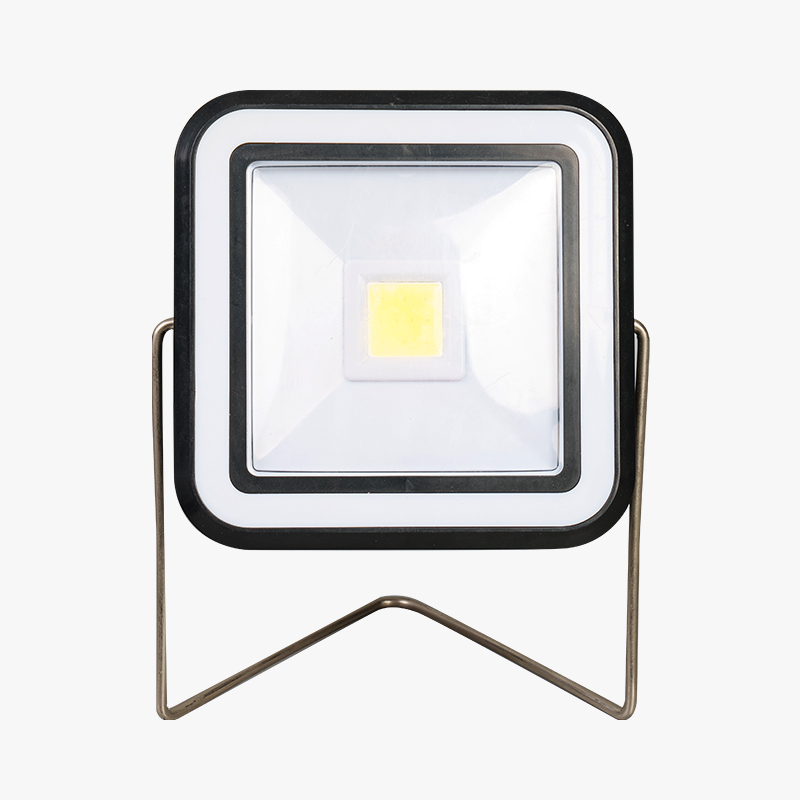
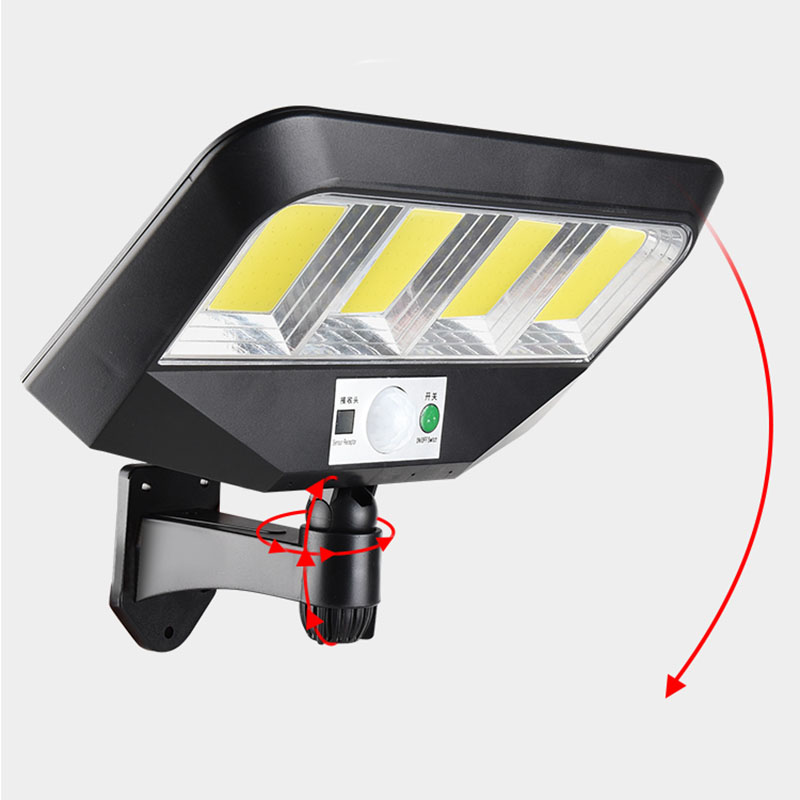
Sep 19,2025The LED chip is the core light-emitting element of the wall lamp, and its quality directly determines the luminous efficiency and light decay speed of the wall lamp. If the quality of the LED chip used is poor, such as defects or impurities inside the chip, it will cause non-radiative recombination of electrons during the recombination process, thereby reducing the luminous efficiency and accelerating the light decay. On the contrary, high-quality LED chips have higher luminous efficiency and better stability, which can slow down the light decay speed.
LED lamps generate a lot of heat when working. If the heat dissipation is not good, it will cause the junction temperature of the LED chip to rise, accelerate the aging and damage of the internal materials of the chip, and cause light decay. This LED integrated high brightness flood wall lamp has a good heat dissipation design, such as the use of efficient heat sinks, reasonable heat dissipation channels, high-quality heat dissipation materials, etc., which can effectively reduce the junction temperature of the LED, extend its service life, and slow down the light decay speed.
Current density refers to the ratio of the current passing through the LED chip to its luminous area. Excessive current density will cause the LED chip to overheat and accelerate the light decay process. Therefore, when designing and using this LED integrated high brightness flood wall lamp, it is necessary to reasonably control the current density to avoid damage to the LED chip.
LED packaging materials will age under long-term high temperatures, resulting in a decrease in light transmittance and affecting luminous efficiency. Phosphor is the key material for LED to achieve white light emission. Its performance stability directly affects the light decay of LED. If the phosphor degrades under long-term high temperature or ultraviolet irradiation, it will cause the LED light color to change and accelerate light decay.
According to industry standards, the normal value range of LED light decay is 10%~15%. In other words, after a certain period of use, the brightness of LED lamps will gradually decrease by about 10%~15%, which is considered a normal phenomenon. However, there may be slight differences between different brands and models of LED lamps. For this LED integrated high brightness flood wall lamp, its light decay will be affected by the above factors.
In order to slow down the light decay rate, this wall lamp needs to take a series of measures in the design and manufacturing process, such as selecting high-quality LED chips, optimizing heat dissipation design, reasonably controlling current density, selecting packaging materials with better heat resistance and stronger anti-aging performance, and more stable performance phosphors. At the same time, during use, you should also pay attention to avoid long-term overload work, keep the surface of the wall lamp clean, and perform regular maintenance and inspection to extend its service life and maintain a stable lighting effect.
Your email address will not be published. Required fields are marked *
Copyright ? Conbo Electronics Co., Ltd. All right reseved.   Custom Led Lights Manufacturers  Wholesale Outdoor Light Fixtures Factory