
 English
 Español
Product Consultation
Your email address will not be published. Required fields are marked *
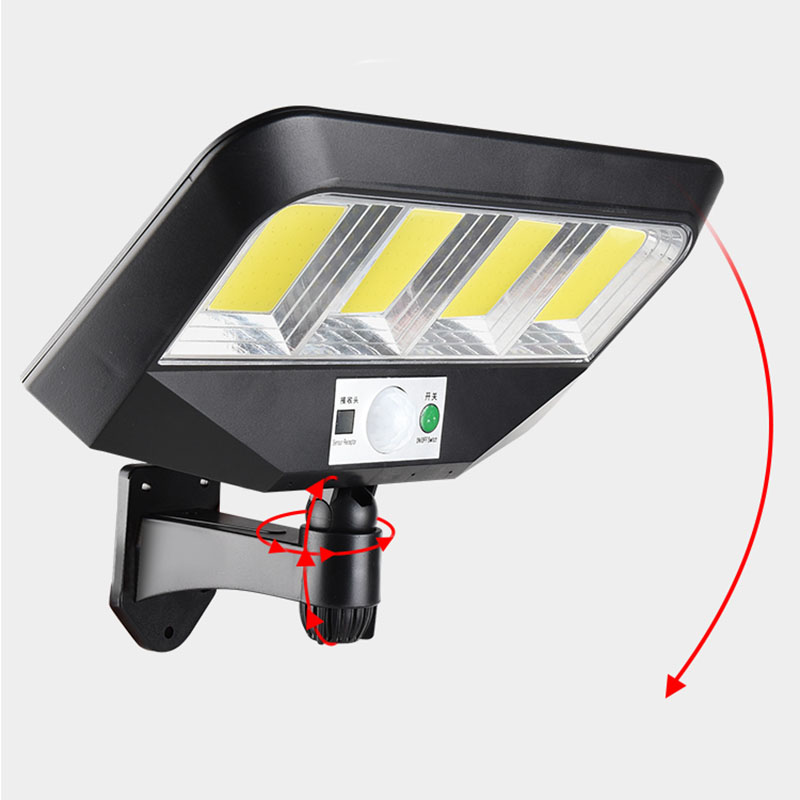
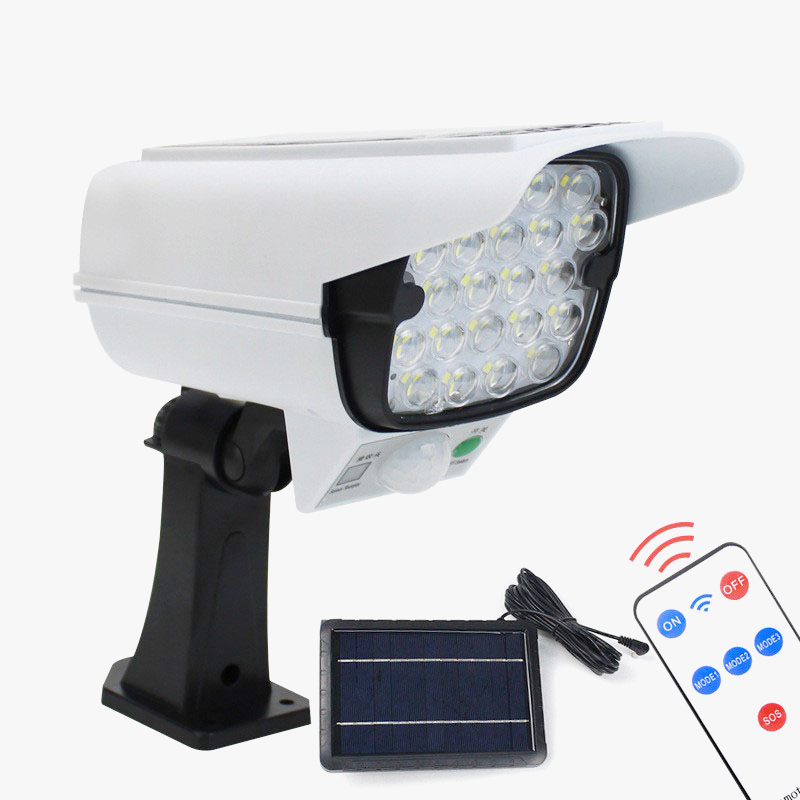
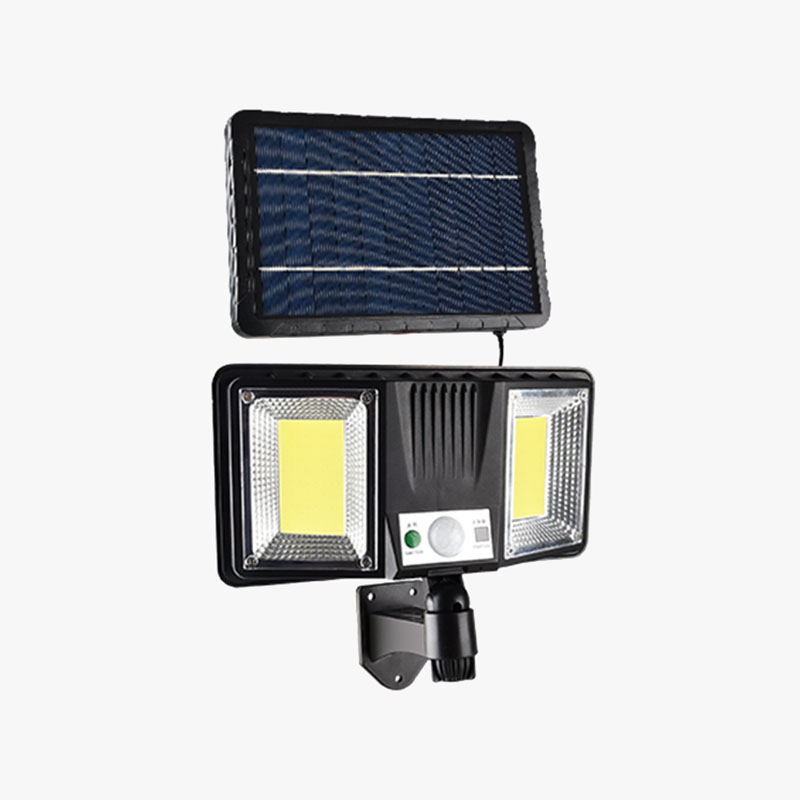
Solar wall lights can certainly be installed indoors or under eaves, but only if you choose a "split-type" design. Traditional solar wall lights are mostly integrated designs, with the photovoltaic panel and the lamp body connected together. If installed indoors or under deep eaves where there is no direct sunlight, they will fail due to lack of charging. Split-type solar wall lights, however, use a waterproof extension cable several meters long to extend the solar panel to a sunny location such as an outdoor roof, while the lamp body remains indoors or in a shaded area, perfectly solving the need for separate light collection and illumination.
Content
When planning outdoor lighting, many people worry about wide eaves or insufficient sunlight on north-facing patios. In fact, the core principle of solar wall lights lies in photoelectric conversion efficiency.
Differences in light intensity: Ordinary indoor lighting or weak light refracted through glass cannot trigger the charging threshold of the photovoltaic panel.
The impact of eaves obstruction: Even partial obstruction will cause a significant drop in the output voltage of the photovoltaic array, affecting the lifespan of the lithium battery.
Advantages of the split-type structure: This structure gives the solar lighting system greater flexibility, making it suitable not only for indoor garages and corridors, but also the best solution for shaded areas such as eaves and awnings.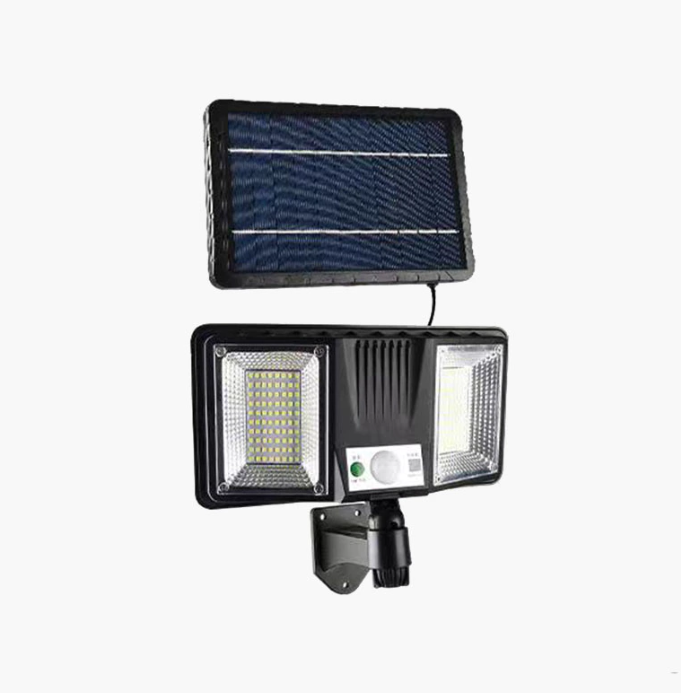
Even if the lamp body is indoors, the separate solar panel should be installed facing south and at a tilt angle of approximately 30-45 degrees to obtain maximum sunlight and ensure the sensor light has sufficient power at night.
When installing through walls indoors and outdoors, the split-type connector must be tightened with a waterproof cap. Good solar light manufacturers usually provide IP65 or higher industrial waterproof connectors to prevent rainwater from seeping indoors along the wires.
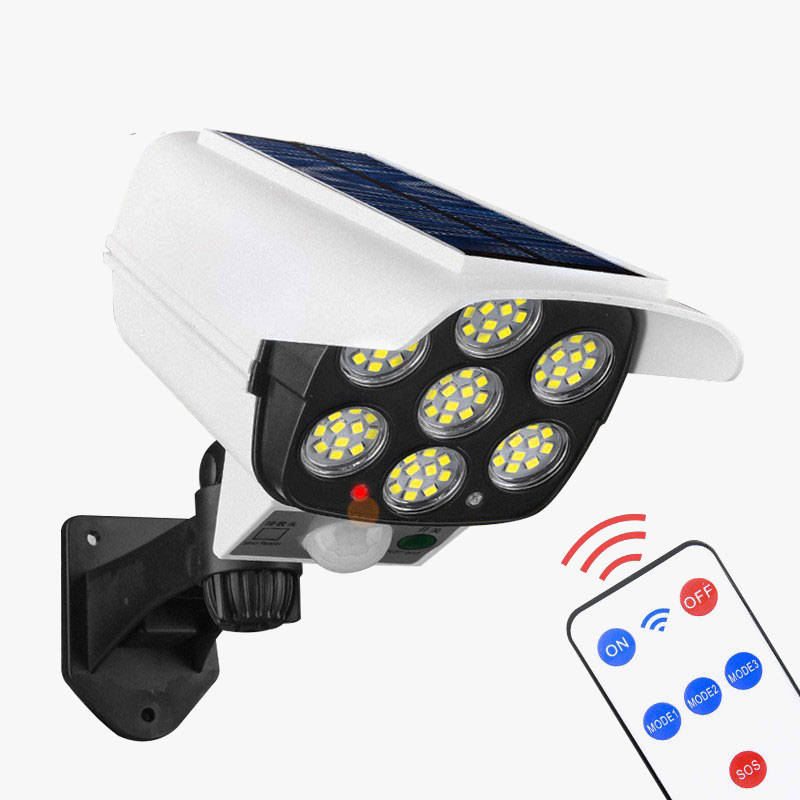
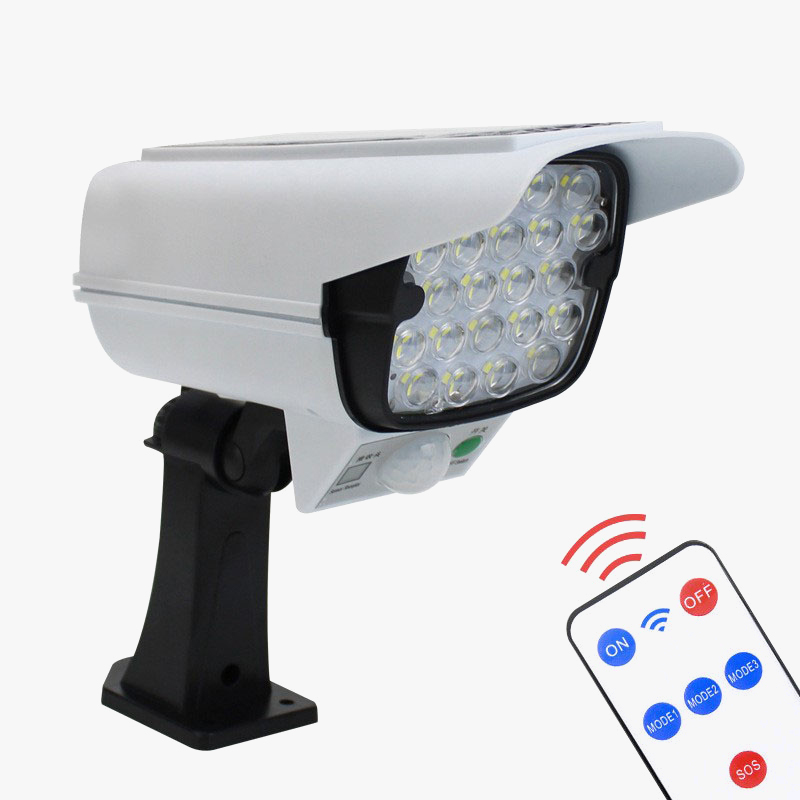
The indoor environment is different from the outdoors; sometimes supplementary lighting is needed during the day. Choosing a solar LED wall light with a remote control adjustment mode allows you to manually switch to a "daytime lighting" mode, free from the limitations of light sensor control.
With advancements in new energy lighting technology, current solar wall lights offer brightness and battery life comparable to mains-powered fixtures. For homeowners who don't want the hassle of extensive wiring and wall modifications, using split-type technology to bring solar power indoors not only eliminates electricity costs but also aligns with the trend of low-carbon and environmentally friendly living.
Whether for garden beautification, patio decoration, or as emergency lighting during power outages, choosing the right installation solution, solar wall lights can provide you with a stable and intelligent light source.
Your email address will not be published. Required fields are marked *

 Building E21, Wanyang Zhongchuang City, No. 555 Binhai Avenue, Binhai Economic Development Zone, Fenghua District, Ningbo City, Zhejiang Province
 0086-130-81920916
 [email protected]
Copyright ? Conbo Electronics Co., Ltd. All right reseved. Custom Led Lights Manufacturers Wholesale Outdoor Light Fixtures Factory