Product Consultation
Your email address will not be published. Required fields are marked *
How to Use an LED Sensor Night Light?
Dec 05,2025How do solar wall lights work?
Nov 28,2025How can magnetic work lights be waterproof and dustproof?
Nov 21,2025What is a flood wall lamp?
Nov 14,2025How do Sensor Night Light work?
Nov 07,2025What are the reasons why solar wall lights don't turn on?
Nov 01,2025How do sensor night lights work?
Oct 24,2025What is a work light?
Oct 17,2025Is it safe to leave a nightlight on all night?
Oct 10,2025How to Install a Solar Wall Light?
Oct 03,2025Where can LED night lights be placed in the home?
Sep 26,2025How do sensor night lights work?
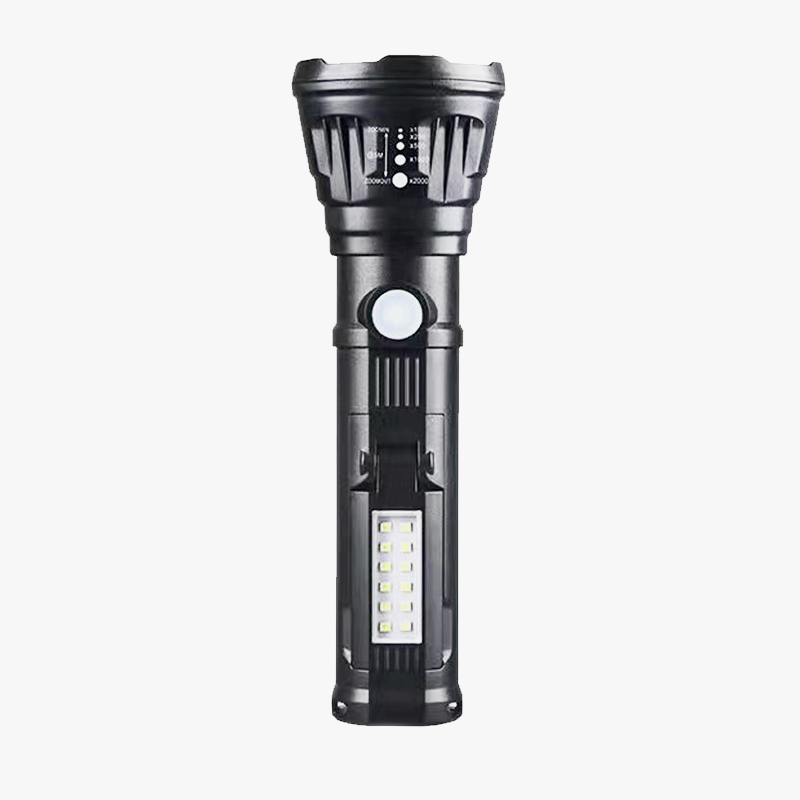
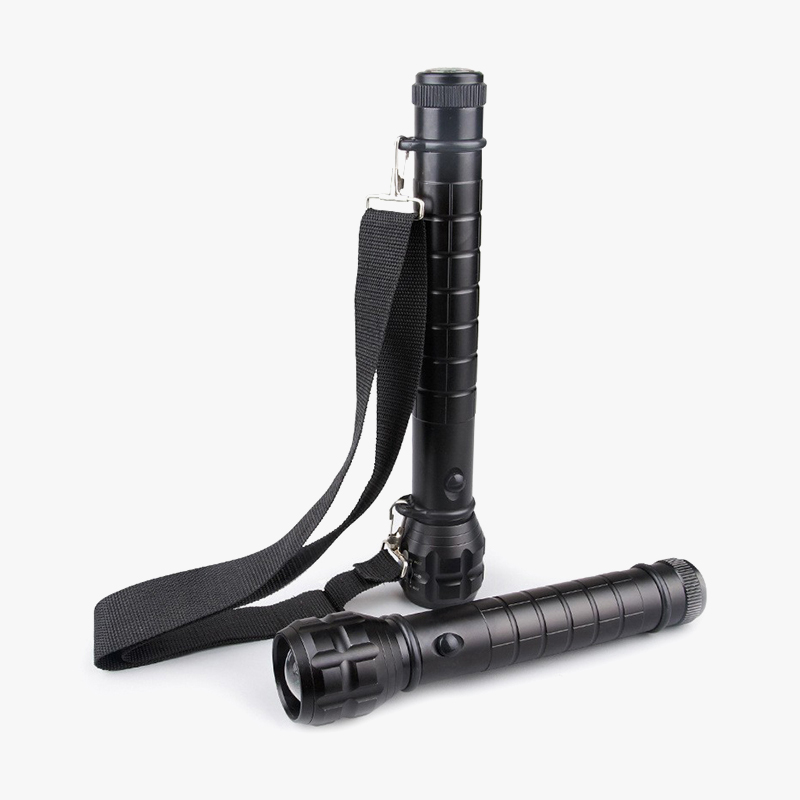
Sep 19,2025When designing an LED plastic flashlight, balancing lightness and durability is a complex and delicate process that involves knowledge from multiple fields such as material science, structural design, manufacturing processes, and electronic engineering. Nylon has high strength, wear resistance, impact resistance, and self-lubrication, and is suitable for manufacturing flashlight parts that are subject to greater mechanical stress. Polypropylene has low density, light weight, chemical corrosion resistance, and is easy to process and shape, making it suitable for manufacturing the outer shell and grip of the flashlight. Polycarbonate has high transparency, high impact strength, and good thermal stability, and is suitable for manufacturing the lens and protective cover of the flashlight. By adding glass fiber, mineral fillers, or special additives, the strength and heat resistance of plastics can be improved. Using blending or copolymerization technology, combining the advantages of different plastics, materials that meet specific needs can be customized.
Finite element analysis (FEA) is used to simulate the stress distribution of the flashlight under different working conditions to determine the reasonable wall thickness distribution. While ensuring strength, the wall thickness is minimized to reduce weight. Add reinforcement ribs to key parts of the flashlight to improve bending strength and torsional rigidity. Use double-layer or multi-layer structural design to increase the overall strength of the flashlight. The product uses technologies such as O-rings, waterproof rubber strips or ultrasonic welding to ensure the sealing of the flashlight. Design drainage holes or waterproof breathable membranes to prevent internal water accumulation.
Use high-precision injection molding technology to ensure that the outer shell of the flashlight is accurate in size, smooth in surface, and flawless. This not only improves the aesthetics of the flashlight, but also enhances its durability. Perform wear-resistant and anti-slip surface treatments on the outer shell of the flashlight, such as sandblasting, frosting, or adding anti-slip textures. This not only improves the comfort of holding the flashlight, but also prevents it from slipping or wearing out during use.
Use high-performance LED lamp beads, such as CREE, OSRAM and other brands, to ensure high brightness, low energy consumption and long life. Design a reasonable optical system, such as reflective cups, lenses or TIR optical elements, to improve the utilization rate of light and lighting effects. Use a constant current drive circuit to ensure that the LED lamp beads maintain stable brightness output under different voltages. Add functions such as battery level display, overcharge protection, over-discharge protection, and short-circuit protection to improve the safety and reliability of the flashlight. Design a simple and intuitive user interface, such as touch switch, knob adjustment, or digital display. Add multiple brightness modes, dimming function, SOS signal mode, etc. to meet users' lighting needs in different scenarios.
Your email address will not be published. Required fields are marked *
Copyright ? Conbo Electronics Co., Ltd. All right reseved.   Custom Led Lights Manufacturers  Wholesale Outdoor Light Fixtures Factory