
 English
 Español
Product Consultation
Your email address will not be published. Required fields are marked *
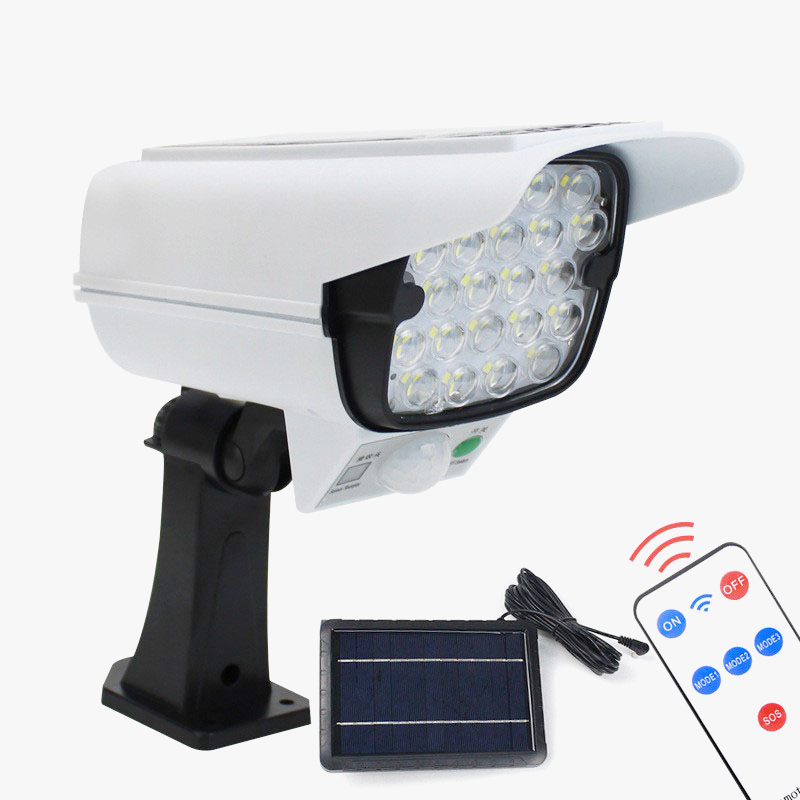
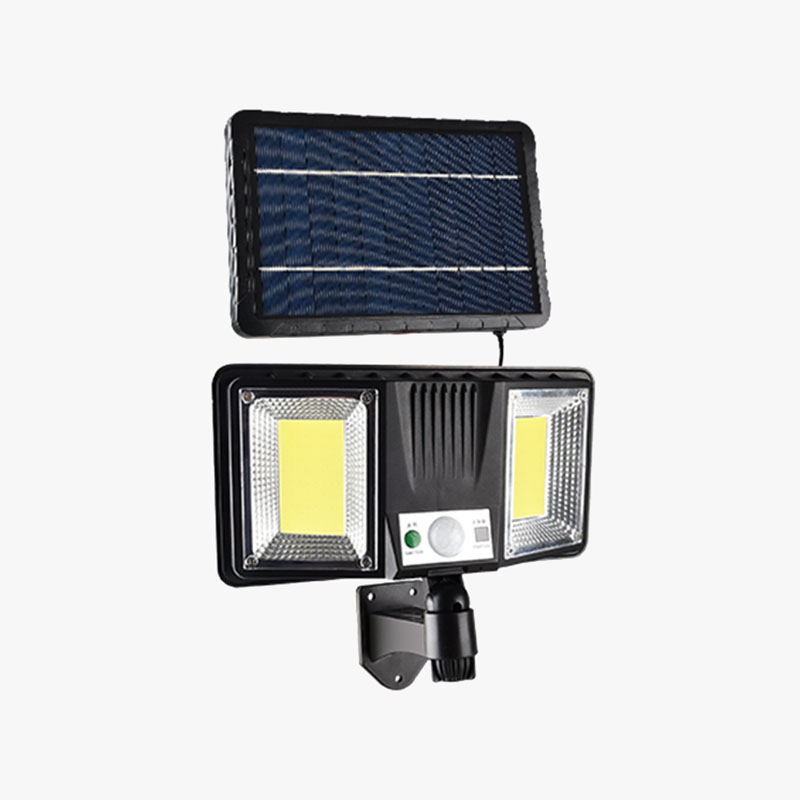
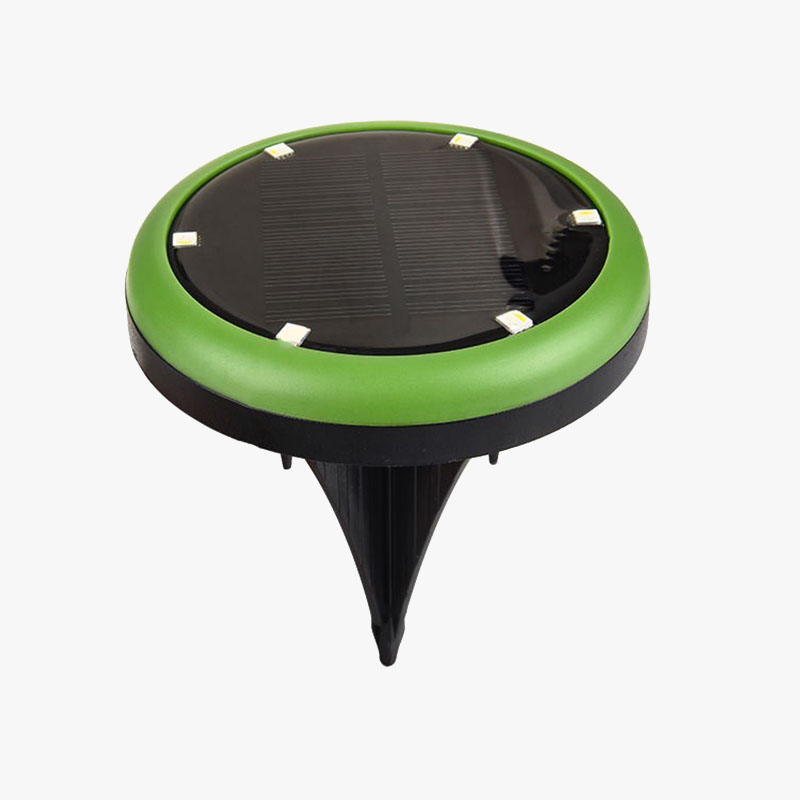
In today's pursuit of low-carbon living, environmental protection, and smart homes, solar wall lights have become the preferred choice for villa courtyards, community lighting, and rural road lighting. Many users focus on brightness, design, and battery life when purchasing, but few explore the underlying energy conversion logic.
Content
As the energy source of a solar wall light, the solar panel bears the crucial responsibility of "photovoltaic conversion." It utilizes the photovoltaic effect of semiconductors to absorb solar radiation energy during the day and directly convert it into direct current.
Currently, the mainstream solar wall lights on the market mainly use solar panels made of the following two materials:
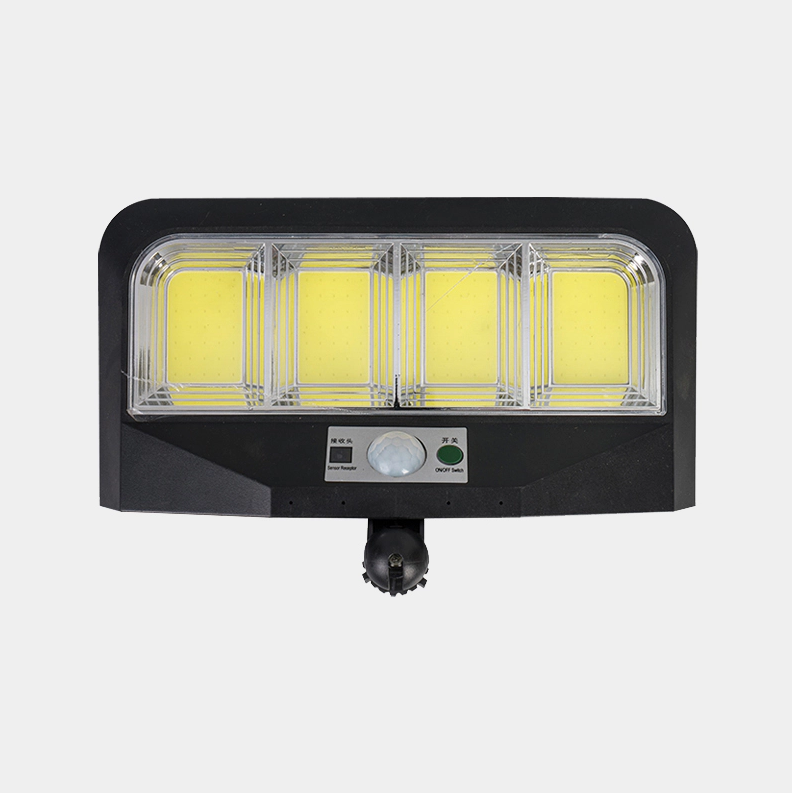
While the solar panel is the core conversion component, achieving sustained nighttime illumination requires the close cooperation of other key components:
The electrical energy converted by the solar panel needs to be stored in an energy storage battery. Currently, high-quality solar wall lights mostly use lithium iron phosphate (LiFePO4) batteries or ternary lithium batteries, which feature long cycle life, high temperature resistance, and stable charge and discharge, ensuring the wall lamp can still operate normally even after consecutive cloudy or rainy days.
The high brightness and low power consumption of solar wall lamps are inseparable from LED chips. Compared to traditional light bulbs, LEDs have higher luminous efficacy and generate less heat. Combined with a lens design, they can achieve large-area lighting coverage.
The controller is like the "brain" of the wall lamp. It monitors the voltage of the solar panel, determines day and night, and thus controls the on/off state of the light. Simultaneously, it prevents overcharging or over-discharging of the battery, extending the overall lifespan of the lamp.
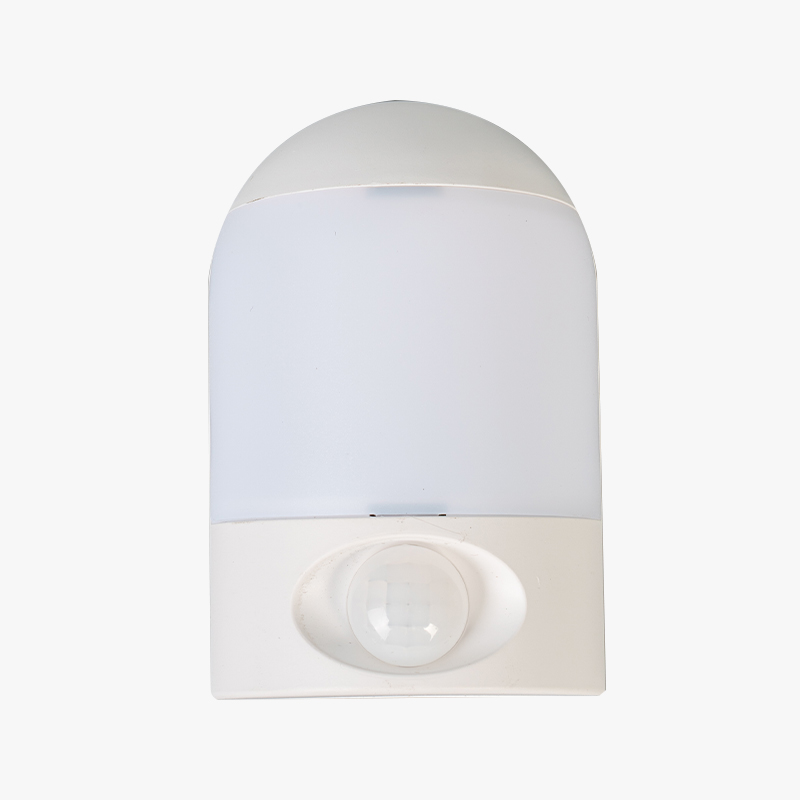
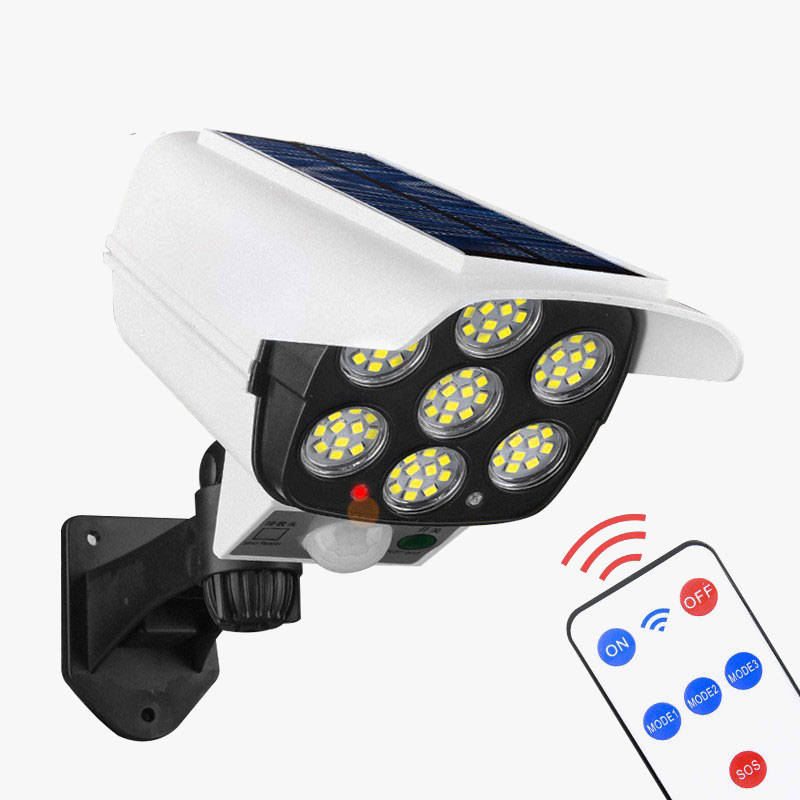
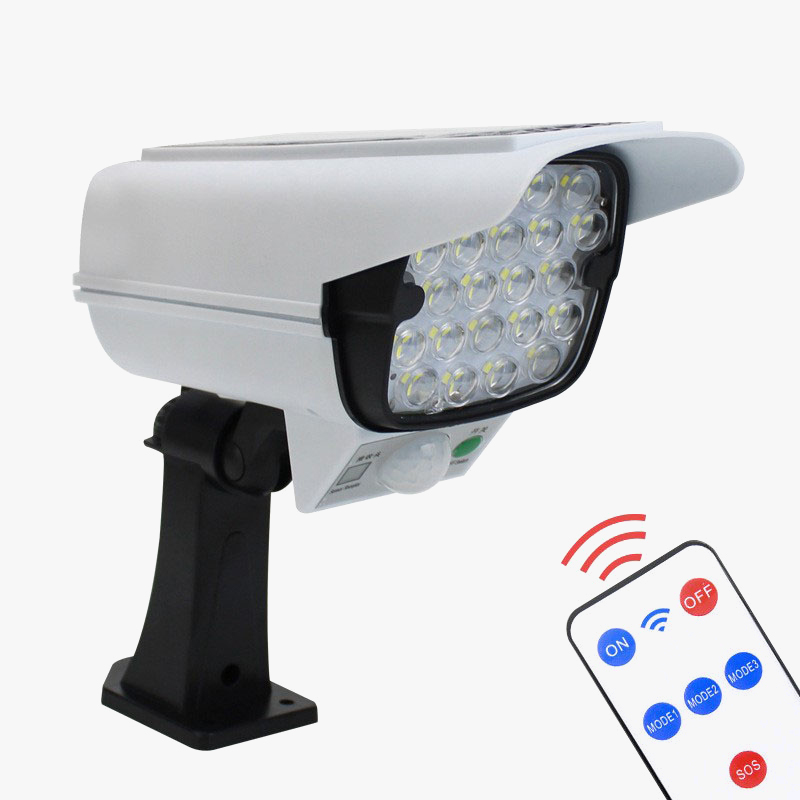
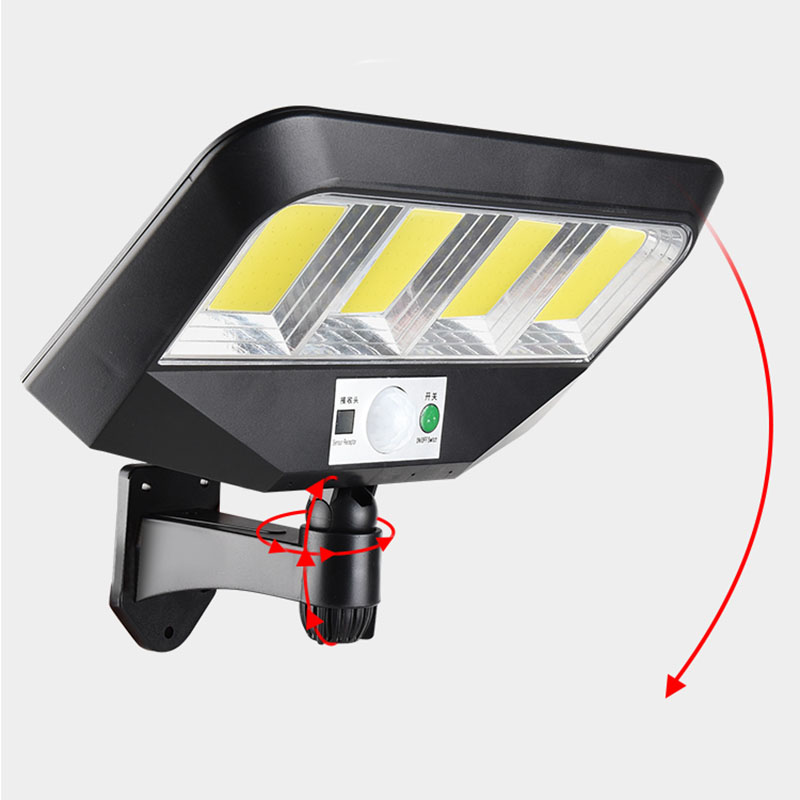
To achieve longer battery life, many solar wall lights are equipped with PIR infrared sensing technology. When someone is detected passing by, the light automatically switches to full brightness; after the person leaves, it dims or turns off, greatly saving energy.
After understanding the core components, we can optimize the performance of solar wall lights in daily use through the following points:
As a clean, wiring-free green lighting solution, the core competitiveness of solar wall lights lies in the conversion efficiency of the photovoltaic panel and the energy storage capacity of the battery. When purchasing, look for high-conversion-rate monocrystalline silicon panels and high-capacity lithium batteries to ensure your yard remains warm and bright in the dark.
Your email address will not be published. Required fields are marked *

 Building E21, Wanyang Zhongchuang City, No. 555 Binhai Avenue, Binhai Economic Development Zone, Fenghua District, Ningbo City, Zhejiang Province
 0086-130-81920916
 [email protected]
Copyright ? Conbo Electronics Co., Ltd. All right reseved. Custom Led Lights Manufacturers Wholesale Outdoor Light Fixtures Factory